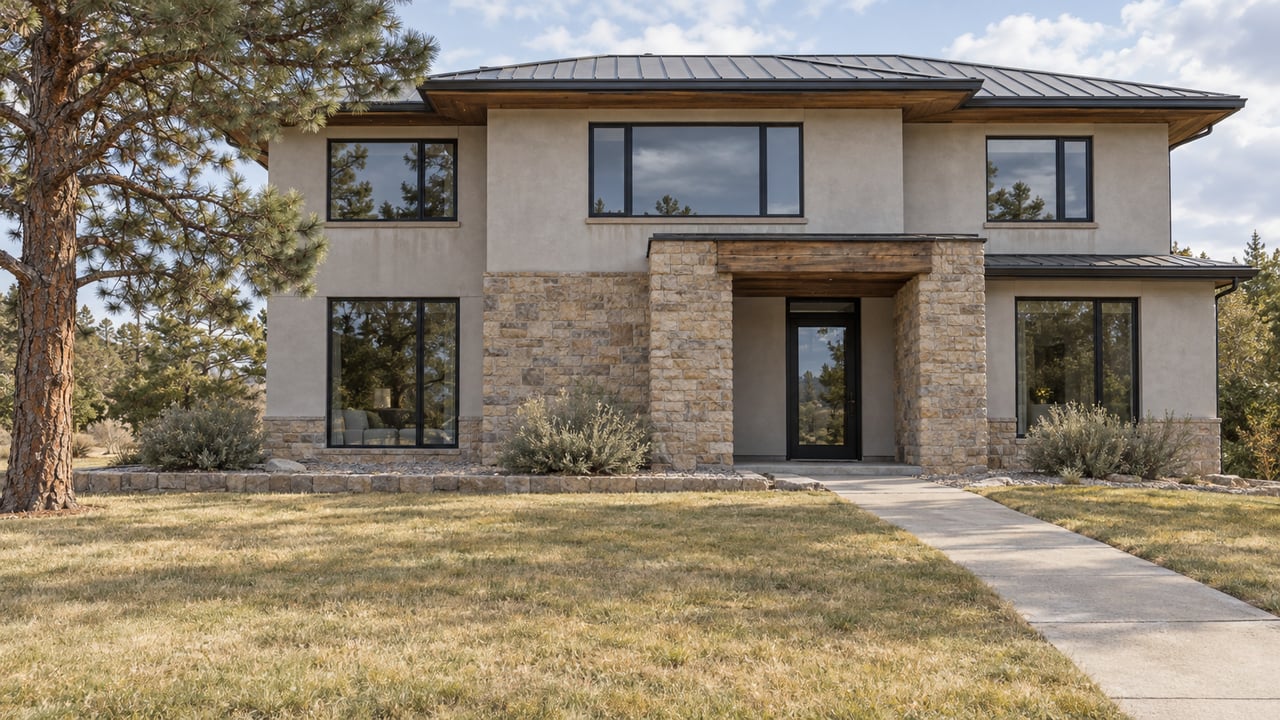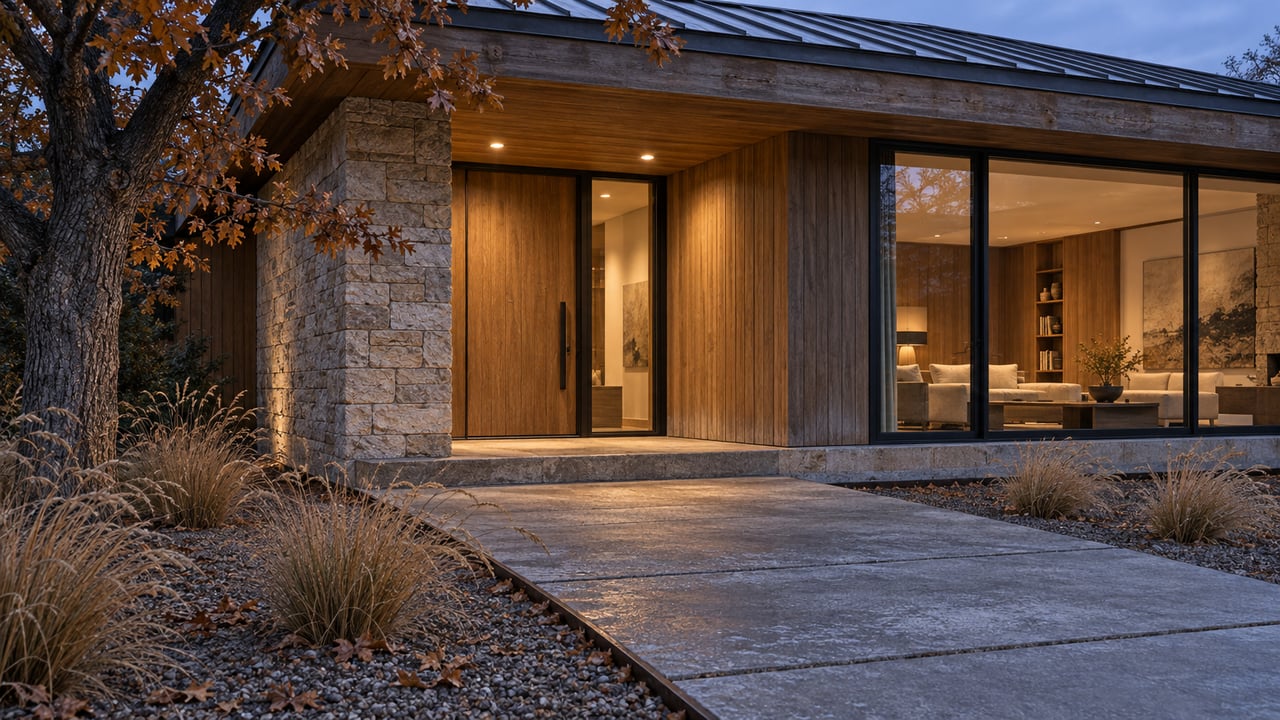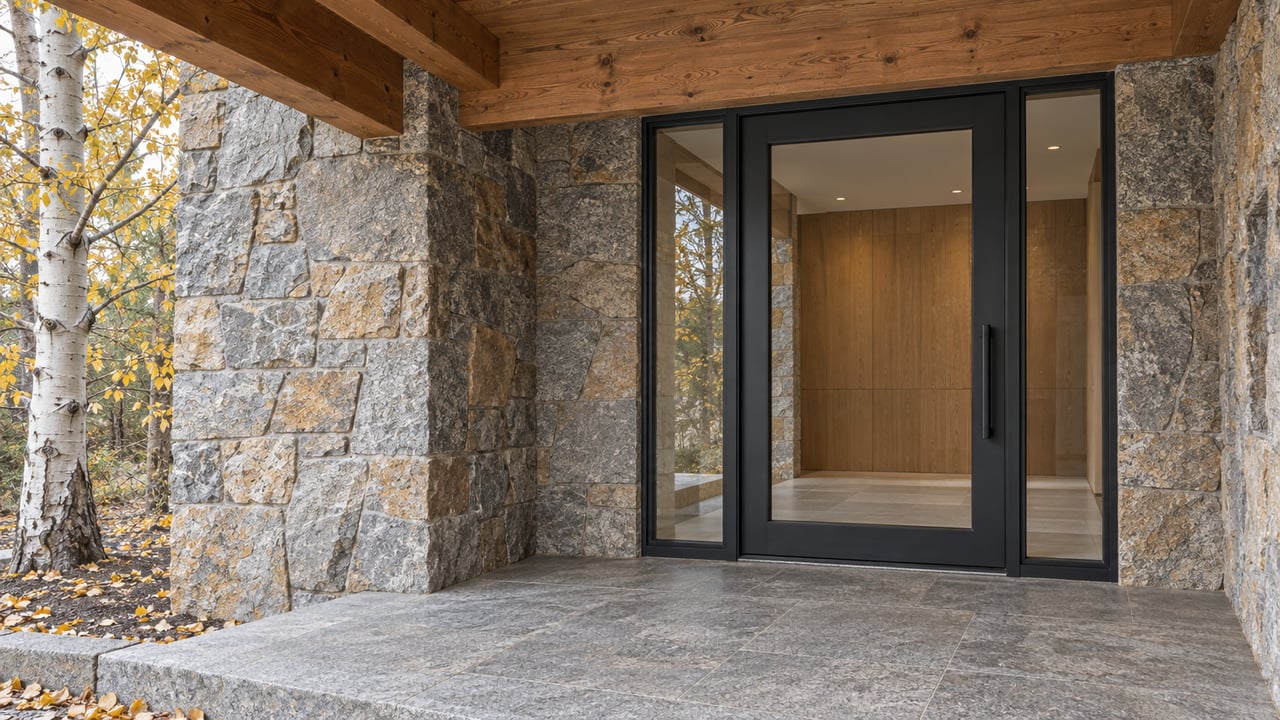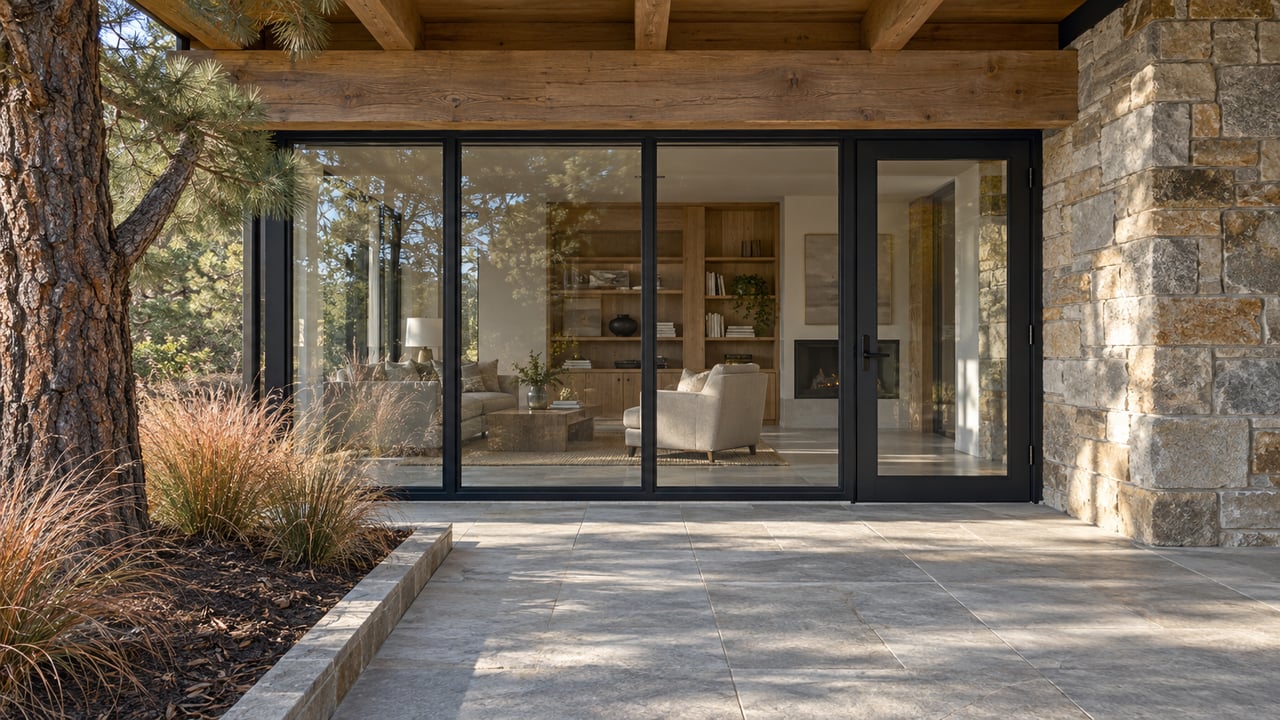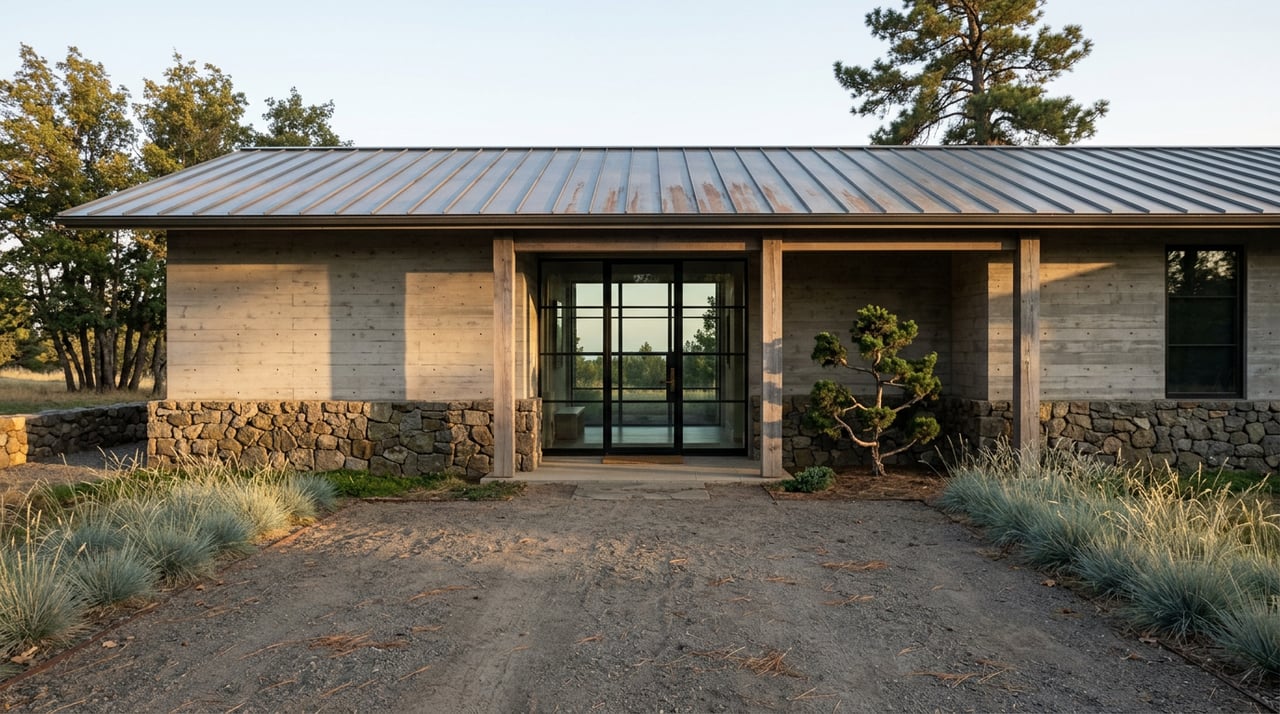
Two buyers can both say they're closing on a home "in Flying Horse" this fall and end up with almost nothing in common. One is signing for a patio home in the $700s in the Village of Turin. The other is putting down a deposit on a custom-built estate on a five-acre lot in Flying Horse North, a separate community a few miles up Old Stagecoach Road that shares a name and a golf brand but not much else. Their purchase contracts will both say Flying Horse. Their closing statements will not look alike, and neither will the tax bill that follows the property for decades to come.
That gap is the thing worth understanding before you start comparing this neighborhood to anywhere else in Colorado Springs. The median price you see on a portal search is doing a lot of quiet averaging across products that were never meant to compete with each other.
One Name, Three Products
Flying Horse, the original master-planned community off I-25 near Northgate, is built around a series of named villages, each with its own price floor. The Village of Turin has carried entry points from the $700s. The Village of Madonie sits at the other end, with homes starting in the millions. Between those two, the broader resale market that portals label Flying Horse Ranch, the original community's residential core, has posted a median sale price of $960,000 over the past twelve months as of September 2026, with the current listing median closer to $990,000, according to portal data pulled that month. Days on market in that same window ran well above the national average, closer to 105 days, which tells you this isn't a bidding-war market even at the lower end.
Then there's Flying Horse North. It's a separate, newer development south of Hodgen Road, between Black Forest Road and Highway 83, built around a second 18-hole golf course designed by golf architect Phil Smith and managed by the same private club. The homesites here run 2.5 to 5 acres. The financial plan filed with El Paso County anticipated single-family values between $1.5 million and $6 million. As of 2026, resale inventory in Flying Horse North was thin enough that portal data showed only a handful of active listings with a median price near $3 million.
Here's the table that actually matters when you're comparing these three tiers side by side:
| Tier | Typical Price Band | Lot Type | Governing Metro District |
|---|---|---|---|
| Village of Turin (Flying Horse) | From the $700s | Standard suburban lot | Flying Horse Metro District No. 2 |
| Village of Madonie (Flying Horse) | Millions | Larger estate lot | Flying Horse Metro District No. 2 |
| Flying Horse North | $1.5M to $6M | 2.5 to 5 acres | Flying Horse North Metro Districts No. 1 to 5 |
That last column is where the real difference lives, and it's the one a portal search will never show you.
What a Mill Levy Actually Buys You Long-Term
Flying Horse's original metro district structure is straightforward once you see it laid out. District No. 1 handles management and administration for the community. District No. 2 covers residential properties, currently levying 43.224 mills. District No. 3 covers commercial properties at 41.653 mills. These districts finance the roads, water lines, sewer lines, and park amenities that make the community function, and the levy has been in place long enough that it's a known, stable number for anyone buying resale.
Flying Horse North is a different animal, and it's a newer one. According to OCN, the El Paso County Planning Commission reviewed and approved the service plan for Flying Horse North Metropolitan Districts No. 1 through 5 in 2023, covering a 910-acre buildout with a maximum debt authorization of $450 million. The service plan caps the debt service mill levy at 50 mills and the operations and maintenance levy at 15 mills, for a combined ceiling of 65 mills; that's roughly 50 percent higher than what District No. 2 currently charges in the original Flying Horse, if the newer district ever certifies at its full ceiling.
In its account of that planning commission meeting, OCN reported that Russ Dykstra, the attorney representing the developer, addressed who actually carries that burden:
"This will not be on any existing residents out in Flying Horse North. This is just new residents."
That distinction matters for anyone comparing an older Filing 1 acreage lot in Flying Horse North to a newer Filing 3, 4, or 5 parcel. Full buildout for Flying Horse North was projected at the time of approval to run through roughly the end of 2030, which means the district's finances, and the levy that funds them, are still being built out in real time.
Three Separate Bills, Not One
The metro district levy is only one line on the annual cost sheet. Flying Horse operates under a homeowners association that enforces community covenants and standards, which is a separate legal structure from the metro district entirely. The metro district funds infrastructure and public improvements. The HOA funds community management and covenant enforcement.
The Club at Flying Horse, which manages the private courses at both the original community and Flying Horse North, is a separate membership product on top of both. That's a stack of three distinct costs, HOA dues, metro district mill levy, and club membership, and none of them show up together on a single listing sheet. A buyer comparing sticker prices across Turin, Madonie, and Flying Horse North without pricing out all three buckets is comparing incomplete numbers.
Reading the Buildout Timeline
Flying Horse North's thin resale inventory, just a handful of listings carrying that roughly $3 million median as of 2026, isn't a sign of a stagnant market. It's a sign of a market still under construction. With buildout projected through the end of 2030, the mix of home values, the eventual assessed base for the metro district, and the actual mill levy that gets certified year to year are all still moving targets. Comparing today's Flying Horse North numbers to today's original Flying Horse numbers is a snapshot of two communities at completely different points in their life cycle, one mature and stable, one still being built out lot by lot.
That's a different kind of risk and opportunity than most Colorado Springs buyers are used to pricing in. It rewards someone who reads the county service plan and the district's certified levy each year, not just the current listing price.
What This Actually Means If You're Comparing Neighborhoods
The lesson here isn't that Flying Horse North is a bad deal or that the original Flying Horse is the safer bet. It's that the name on the sign tells you almost nothing about the financial structure you're stepping into. A buyer who wants an established, known tax picture is looking at a different product than a buyer who wants acreage and is willing to buy into a district that's still being built and financed.
Before writing an offer in either community, pull the current certified mill levy for the specific metro district your parcel sits in, get the HOA dues in writing, and separately price out club membership if that's part of your plan. Those three numbers, not the headline price, are what determine your real annual cost of ownership.
This is exactly the kind of detail that gets lost when a decision is made off a portal search and a drive-by. If you're weighing Flying Horse against Flying Horse North, or against another north Colorado Springs community entirely, Precision Spaces can pull the current district filings, HOA figures, and club membership terms before you write an offer, not after you're already at the closing table. Contact Rob for a precision market plan built around the actual numbers, not the ones a listing photo implies.
Quick Questions Buyers Ask
Does the Flying Horse North mill levy apply to homes that were already built there? Based on statements made to the county planning commission when the service plan was approved, the new levy structure is tied to new residents and new lots being sold into the district, not retroactively applied to existing owners.
Why is Flying Horse North's median price so much higher than the rest of Flying Horse? It's a newer, separate development built around larger acreage homesites, 2.5 to 5 acres, with a financial plan built around $1.5 million to $6 million home values, compared to standard suburban lots in the original community's villages.
This article is general information, not legal, tax or financial advice. Consult a qualified professional about your situation.