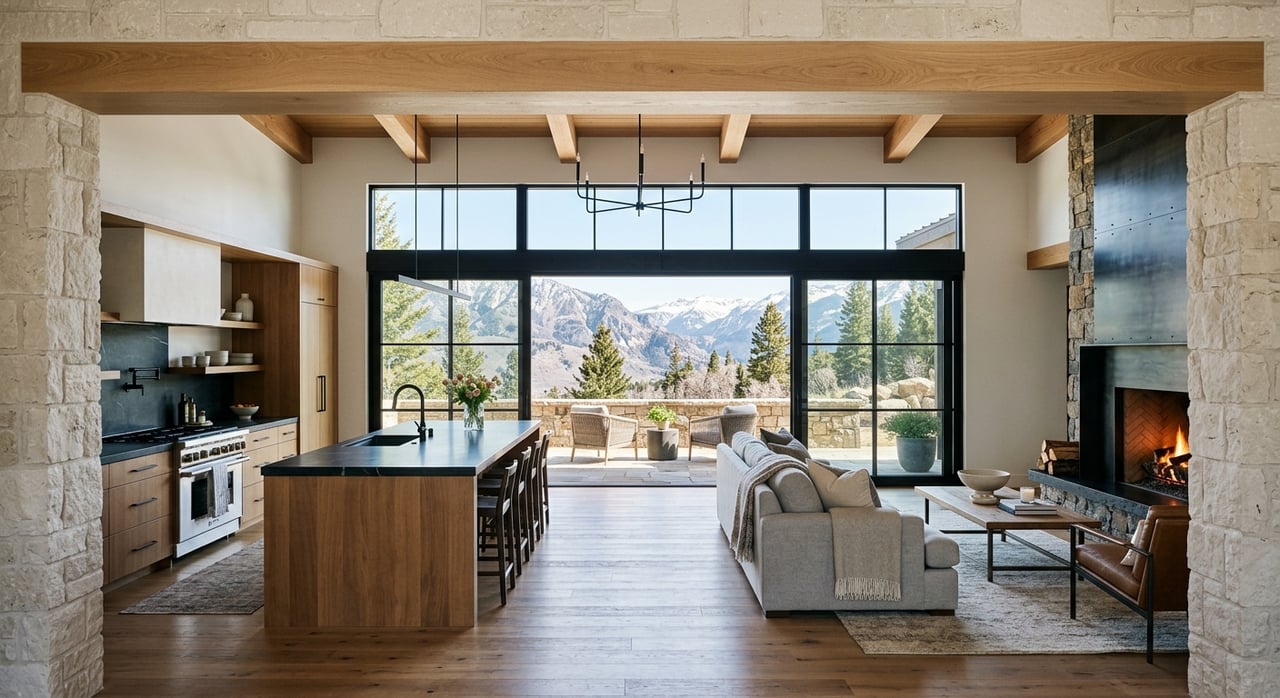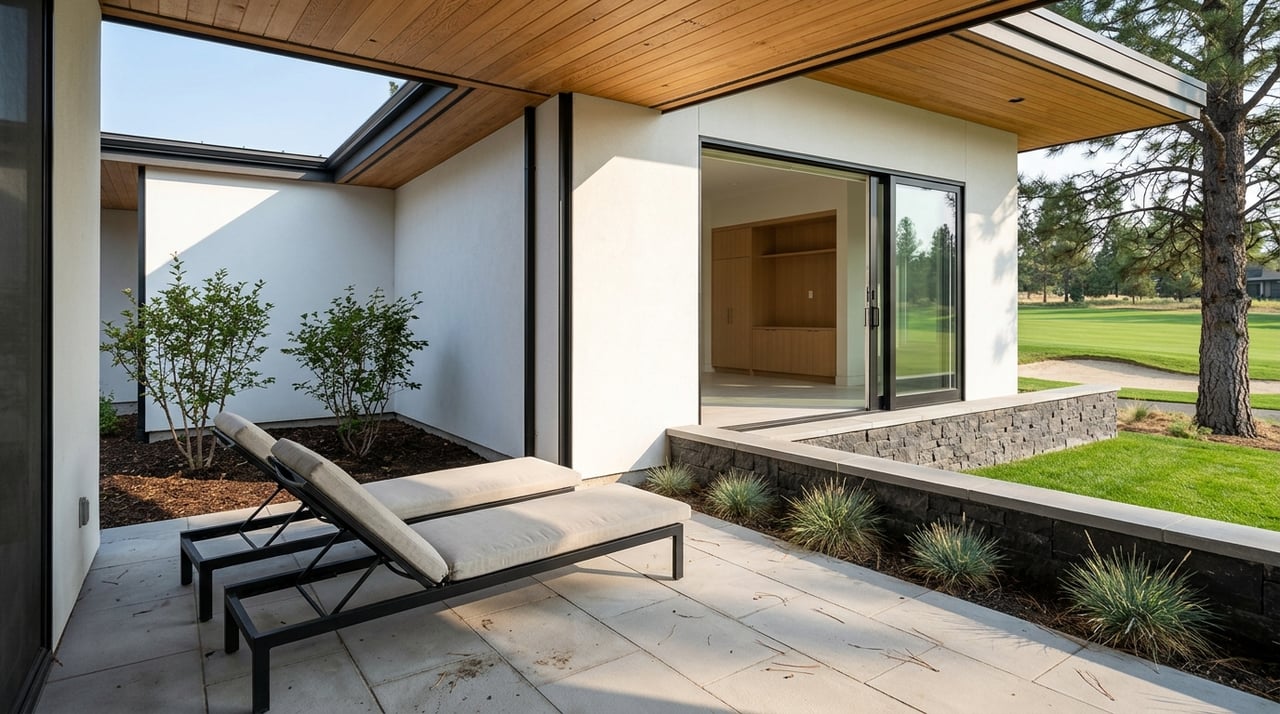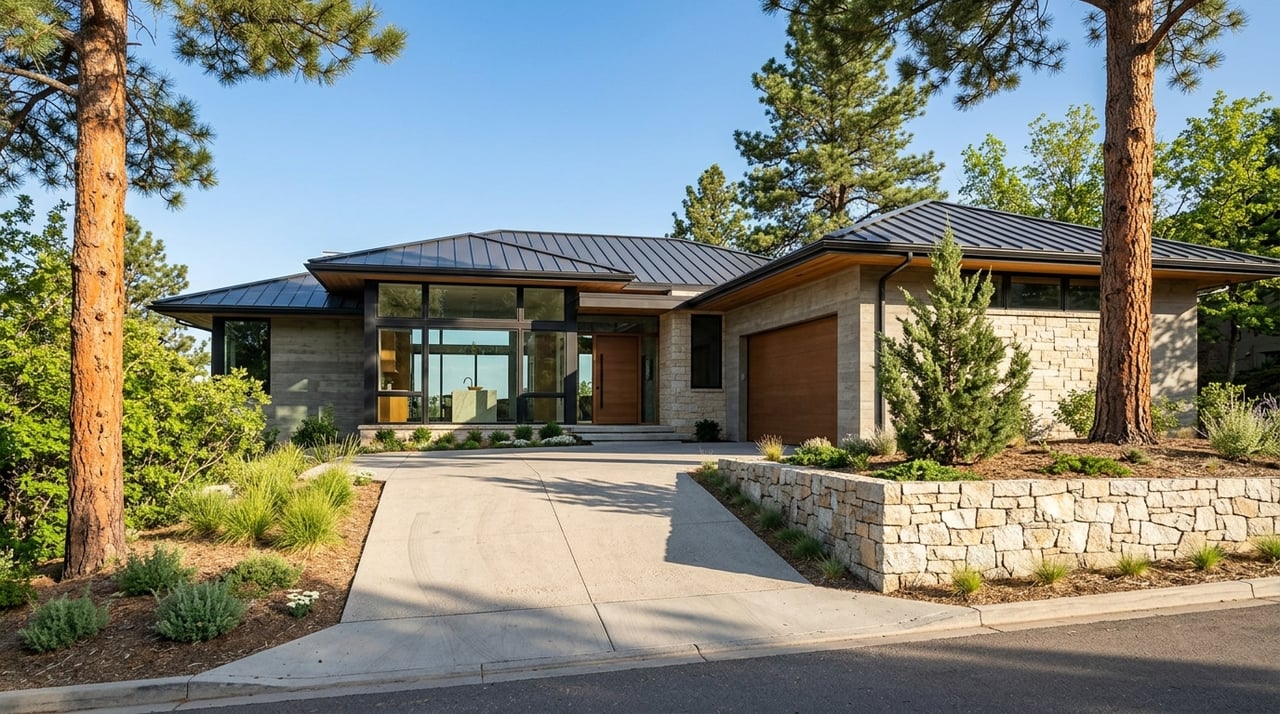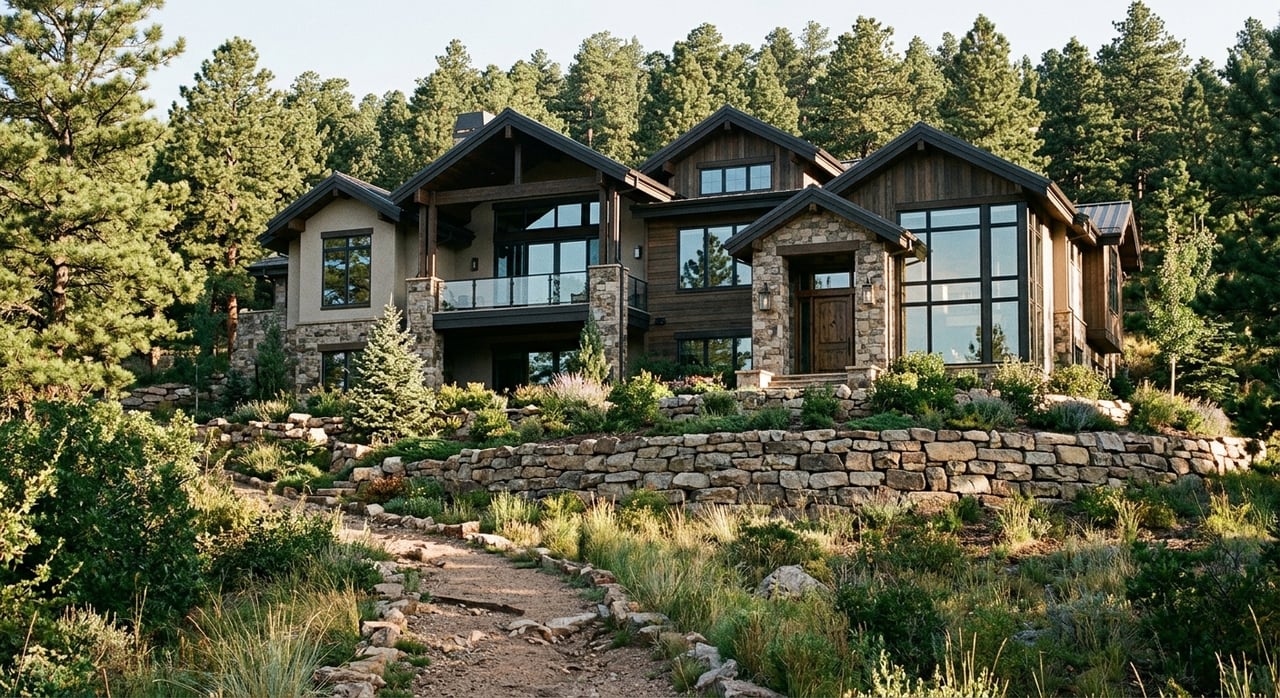
If you are choosing between Rockrimmon and Peregrine, you are really deciding what matters most in your next move: lower entry price and flexibility, or newer foothills homes with a more structured neighborhood setup. Both areas sit in northwest Colorado Springs and both appeal to buyers who want quick access to trails, hills, and mountain views. This guide breaks down the real differences in price, housing stock, setting, and day-to-day ownership so you can narrow your search with more confidence. Let’s dive in.
Rockrimmon vs Peregrine at a glance
Rockrimmon is generally the more established and more attainable option. Homes.com places its median year built at 1982, and the housing mix includes condos, split-level homes, and detached homes from the 1980s and 1990s.
Peregrine is the more premium foothills choice. Homes.com places its median year built at 1993, with many homes built in the 1990s and early 2000s, and the neighborhood HOA describes a mountainside setting below Blodgett Peak with more than 1,000 homes.
For many buyers, the first split is simple. If you want a broader price ladder and more entry points, Rockrimmon usually deserves the first look. If you want larger homes, larger lots, and a more clearly defined foothills setting, Peregrine often moves to the top of the list.
Price differences buyers should know
The biggest gap between Rockrimmon and Peregrine is total purchase price. Homes.com shows Rockrimmon with a median sale price of about $485,000 and a median list price around $475,000.
In Peregrine, Homes.com shows a median sale price of $850,000 and a median list price of $884,500. On a detached-home basis, the contrast is also clear, with median single-family sales around $544,900 in Rockrimmon versus about $895,000 in Peregrine.
Rockrimmon also offers more lower-cost options in attached housing. Homes.com places some condo and townhome pockets around $275,000 to $325,000, while detached homes on the north side commonly fall in the $450,000 to $700,000 range, with higher-end homes reaching near $1 million.
Peregrine’s pricing points higher from the start. Homes.com notes current single-family listings ranging from about $570,000 to $1.395 million, and another neighborhood overview says homes commonly start around the high-$700,000s and often exceed $1 million.
What the price gap usually means
The price-per-square-foot difference is not the whole story. Homes.com indicates average price per square foot is fairly similar, in the high-$200s, but Peregrine’s larger homes and larger lots drive up total cost.
That means your budget choice is often less about value per foot and more about how much house and yard you want to own and maintain. If your range overlaps the mid-$500,000s to mid-$700,000s, it can make sense to compare both neighborhoods side by side.
Home styles and neighborhood feel
Rockrimmon feels more established and varied. You will see a wider range of home types, from condos to split-level layouts to detached homes built across several decades.
That variety can be a strength if you want flexibility. It can also mean more variation from one pocket to the next in exterior appearance, renovation history, and upkeep.
Peregrine feels more consistent as a foothills neighborhood. Most homes were built later, and the area tends to offer a more uniform mountainside character with larger homes and larger lots.
Homes.com reports an average single-family home size of 3,045 square feet in Peregrine with a median lot size of 15,245 square feet. In Rockrimmon, the average single-family home size is 1,938 square feet with a median lot size of 9,147 square feet.
Which housing stock fits your search
If you want more choices across price points, Rockrimmon usually gives you a wider spread. If you prefer newer construction eras and a more premium foothills product, Peregrine may fit better.
From a buying strategy standpoint, this is where precision matters. A larger home on a larger lot can change not only your purchase price, but also your future maintenance costs and the way you use the property over time.
Trails, terrain, and outdoor access
Both neighborhoods appeal to buyers who want quick access to outdoor recreation, but the setting is not the same. Rockrimmon feels hilly, tree-covered, and integrated into an established part of northwest Colorado Springs.
The city-managed Rockrimmon Trail is 2.5 miles long and climbs 400 feet. Nearby Ute Valley Park offers multiple hiking and mountain biking trails, geological features, and access points from surrounding neighborhoods.
Peregrine is the more clearly mountainside option. The neighborhood HOA says it sits below Blodgett Peak, and Blodgett Open Space includes 384 acres of open space and trails.
The Peregrine Trail sits at elevations from 7,132 to 7,171 feet. The city has also approved a Blodgett master plan that calls for neighborhood connections, trailheads, and a sustainable trail system.
How the setting changes daily life
If you want a neighborhood that feels close to the interstate corridor and established city fabric, Rockrimmon may feel more practical. If you want stronger foothills character and direct connection to mountainside open space, Peregrine often feels more immersive.
Neither choice is universally better. It depends on whether your top priority is day-to-day convenience, more dramatic terrain, or a balance of both.
Commute and access patterns
Rockrimmon has a straightforward access advantage for many buyers. Interstate 25 runs along its eastern border, downtown Colorado Springs is roughly 7 miles south, and Mountain Metro Transit bus stops serve Corporate Drive.
That makes Rockrimmon a useful first filter if commute efficiency matters. Buyers who want quick access to major roads often find its location easier to work into daily routines.
Peregrine follows a different access pattern. The city’s directions to Blodgett Open Space use I-25, the Garden of the Gods exit, Centennial Boulevard, and Woodmen Road, which points to a Centennial and Woodmen corridor pattern rather than an interstate-edge location.
In practical terms, Peregrine can feel a little more tucked into the foothills. For some buyers, that is part of the appeal. For others, Rockrimmon’s direct positioning near I-25 carries more weight.
HOA structure and ownership expectations
Rockrimmon does not operate like one single master-planned neighborhood. The Colorado HOA registry shows multiple separate associations, including the Villages at Rockrimmon, Townhome at Rockrimmon, and Rockrimmon Condominiums.
That patchwork structure usually means more variation by pocket. Homes.com also notes different HOA burdens, including condo communities with dues around $470 covering utilities, insurance, and grounds maintenance, and gated communities with lower monthly dues in the $290 range.
Peregrine is more structured. The Peregrine Master Association is covenant-controlled, exterior and landscape changes must be approved by the ARC, and the site lists subassociations including the Village at Peregrine, the Sanctuary at Peregrine, and La Bellezza at Peregrine.
Most streets in Peregrine are city-maintained, but the HOA model is more hands-on about appearance and common-area stewardship than Rockrimmon’s more fragmented setup. That can be a benefit if you value consistency, but it can also mean less flexibility for exterior changes.
What buyers should review closely
In Rockrimmon, it is smart to verify the exact subdivision or association before you fall in love with a property. Dues, exterior responsibilities, and renovation rules may change significantly from one pocket to another.
In Peregrine, focus on covenant review and approval processes. If you expect to change landscaping, exterior paint, or other visible features, you will want clear answers early.
One important Rockrimmon due diligence item
Rockrimmon buyers should pay attention to parcel-level due diligence related to former mining activity. The Colorado Geological Survey documents a major 1979 subsidence incident over the abandoned Klondike coal mine in the Rockrimmon area.
That does not mean every property has the same risk profile. It does mean you should review foundation history and any mine-related disclosures carefully for the specific parcel you are considering.
This is where a disciplined buying process matters. Neighborhood-level appeal is important, but property-level review is what protects you from surprises.
Which neighborhood fits your priorities
Rockrimmon is often the better match if you want lower entry points, easier interstate access, and a wider range of home types. It can also work well if you are open to older housing stock and want more flexibility in how you enter northwest Colorado Springs.
Peregrine is often the better fit if you want a premium foothills setting, larger homes, larger lots, and a more consistently managed neighborhood environment. Buyers who prioritize mountainside character and newer housing eras often gravitate here.
If your budget falls in the overlap zone between the mid-$500,000s and mid-$700,000s, the smartest move may be to tour both. The real decision usually comes down to whether you value Rockrimmon’s broader price ladder and established character or Peregrine’s newer, more covenant-controlled foothills product.
A precise search saves time and reduces decision fatigue. When you compare these two neighborhoods through budget, property condition, HOA structure, and access patterns, the right fit usually becomes much clearer.
If you want a data-driven plan for comparing Rockrimmon and Peregrine, connect with Precision Spaces for a focused market strategy built around your budget, priorities, and negotiation goals.
FAQs
How do Rockrimmon and Peregrine compare on home prices?
- Rockrimmon is generally lower-priced, with a median sale price around $485,000, while Peregrine is significantly higher, with a median sale price around $850,000 according to Homes.com.
Which neighborhood offers more entry-level options for northwest Colorado Springs buyers?
- Rockrimmon usually offers more entry-level options because it includes condo and townhome pockets around $275,000 to $325,000 along with a broader range of detached home prices.
What is the main lifestyle difference between Rockrimmon and Peregrine?
- Rockrimmon feels more established and varied with strong access to I-25, while Peregrine feels more foothills-oriented and mountainside with direct ties to Blodgett Open Space.
What should Rockrimmon buyers review before purchasing a home?
- Rockrimmon buyers should carefully review parcel-level disclosures, foundation history, and any mine-related information because the Colorado Geological Survey documents past subsidence in the area.
How are HOA rules different in Rockrimmon and Peregrine?
- Rockrimmon has multiple separate associations that can vary by pocket, while Peregrine has a more structured master association with ARC approval requirements for exterior and landscape changes.