If you want mountain views and quick access to some of Colorado Springs’ most recognizable outdoor spaces, Cedar Heights deserves a closer look. This neighborhood offers a very specific kind of foothills living, and it is not the same as a typical west-side subdivision. In this guide, you’ll get a clear picture of what Cedar Heights feels like day to day, what buyers should plan for, and why its location near Garden of the Gods stands out. Let’s dive in.
Cedar Heights at a Glance
Cedar Heights is a gated residential enclave on the far west side of Colorado Springs. It sits in the foothills within the city’s wildland-urban interface, between Cave of the Winds Mountain Park to the west, Garden of the Gods Park and 30th Street to the east, and US-24 to the south.
That setting gives you a close-to-town location with a wooded, uphill feel. It also places you in one of the most recreation-rich parts of the city, where open space is a major part of daily life rather than a background feature.
Garden of the Gods Shapes the Setting
One of the biggest draws here is the neighborhood’s proximity to Garden of the Gods. This 1,341.3-acre city-owned regional park and National Natural Landmark is one of the defining landscape features near Cedar Heights, and the park is free to enter.
For you as a buyer, that means the appeal is not just scenic. You are living near a major public park system that helps define the west-side character, with dramatic rock formations, protected views, and easy access to a well-known outdoor destination.
A broader open-space corridor
Cedar Heights also benefits from the larger west-side open-space network. Colorado Springs reports about 12,000 acres in its open-space system, and the city has acquired another 315 acres of open space near Cedar Heights and Oak Valley Ranch on the western edge.
That matters because it reinforces the neighborhood’s identity. This is not a conventional suburban grid with flat streets and uniform lots. It is a managed foothills community surrounded by protected land and outdoor recreation assets.
What Homes in Cedar Heights Are Like
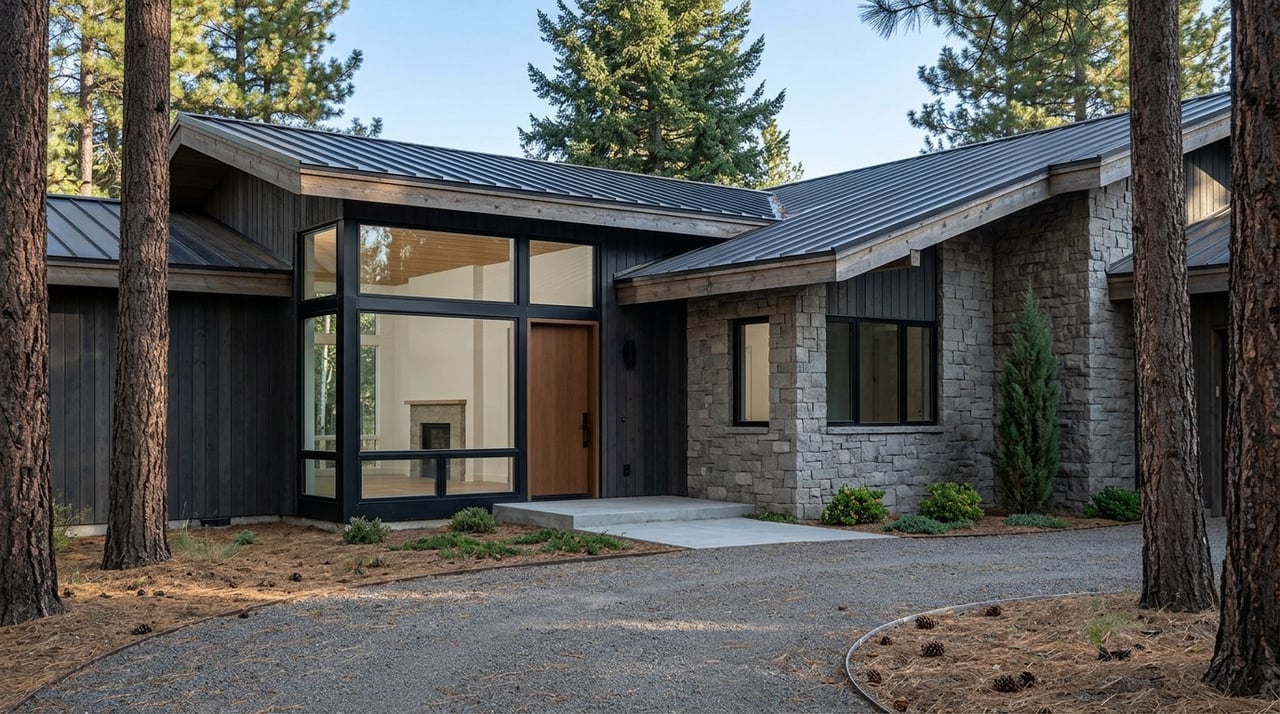
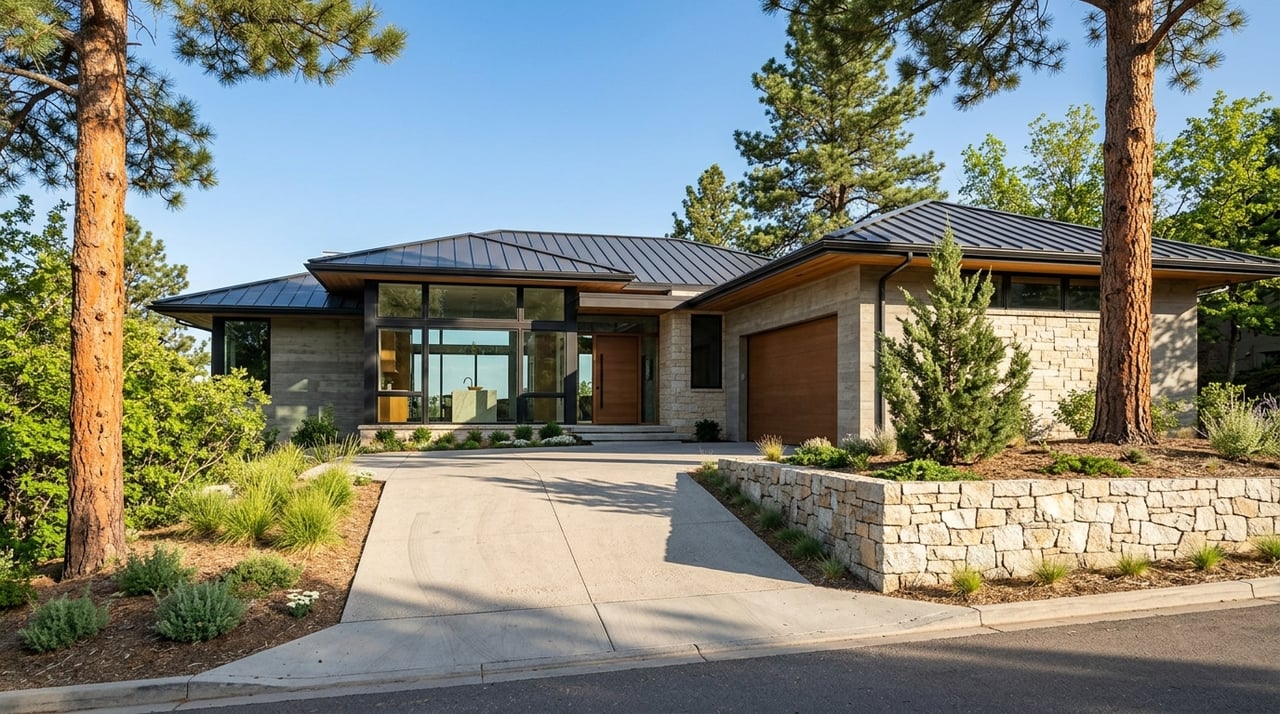
Cedar Heights is best understood as a custom-home area. Current listings show larger, sloped, wooded homesites, often around roughly 0.5 to 2.2 acres, with homes designed to work with the land rather than reshape it.
You’ll see a mix of custom stucco ranchers, Spanish-style homes, mountain-modern builds, and other one-of-a-kind single-family designs. The common thread is not one architectural style. It is the emphasis on views, privacy, and siting.
Homes are built for the terrain
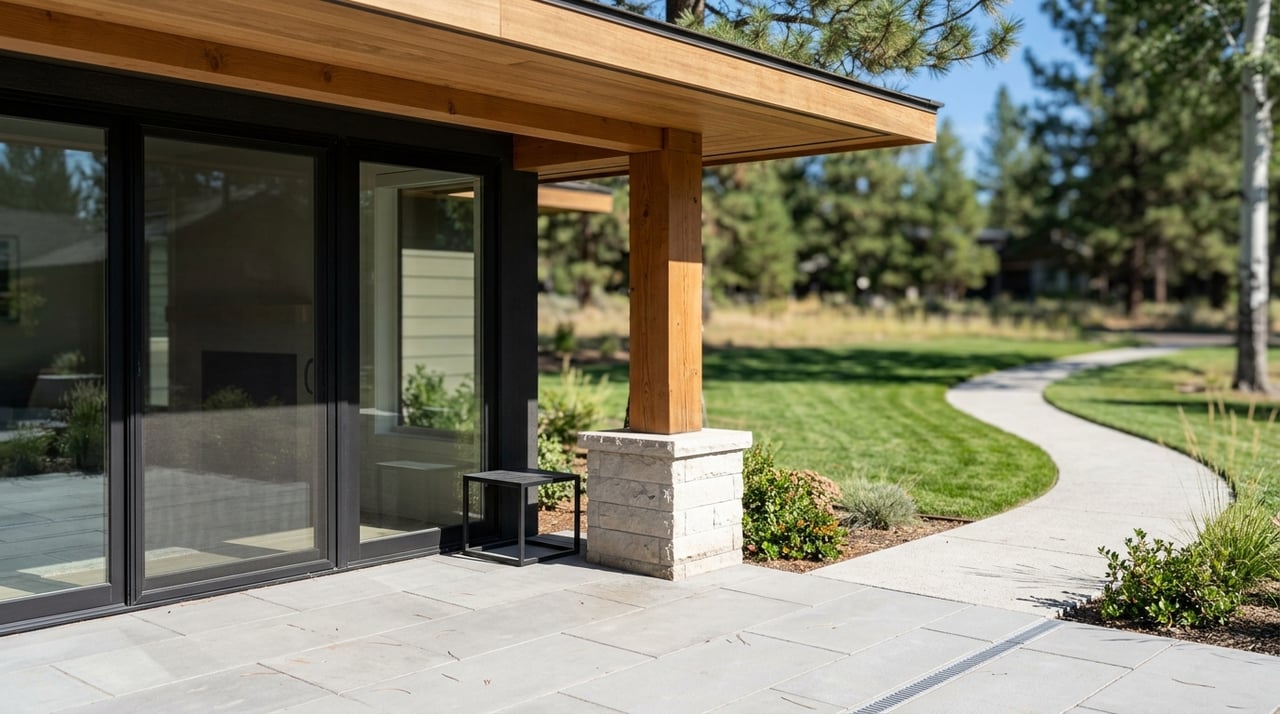
Because the land is sloped, many homes are oriented around mountain views, city lights, and outdoor living. Listing descriptions often highlight decks, walk-out layouts, split-level designs, and windows positioned to capture the setting.
If you prefer large flat yards and a more conventional subdivision layout, this may feel different from what you expect. If you value topography, views, and a home that fits into the hillside, Cedar Heights is much more likely to match your goals.
What Daily Life Feels Like
Daily life in Cedar Heights is shaped by access, elevation, and community management. This is a car-first neighborhood, and that is an important point for relocation buyers to understand early.
You are close to key west-side destinations, but you are not in a walkable town-center environment. Once you come down the hill, current listing snapshots describe quick access to Garden of the Gods, Manitou Springs, Old Colorado City, shopping, dining, US-24, and I-25.
Commute and access realities
City fire planning documents note that Cedar Heights has a single main point of entry plus two limited gates off Rampart Range Road. That road is described as steep, winding, and switchbacked.
The same official source reports elevation ranging from about 6,400 feet at the main gate to 7,600 feet at the top. In practical terms, that means slower driving speeds and longer response times than you would expect in flatter parts of Colorado Springs.
Close to town, but not suburban-flat
Some current listings describe downtown Colorado Springs as about 20 minutes away. That supports one of the clearest takeaways about Cedar Heights: you can stay connected to city destinations while living in a more secluded foothills setting.
For many buyers, that balance is the whole point. You get a strong sense of retreat without giving up access to the west side and the broader Colorado Springs area.
HOA and Community Structure
Cedar Heights functions more like a managed foothills enclave than an independent subdivision. Current listing data references HOA-covered items such as road maintenance, snow removal, security, trail access, and common-area upkeep.
Some listings also mention on-site check-in or a 24-hour manned gate. Others reference amenities such as a garden area and playground. The exact details can vary by property, but the consistent theme is shared infrastructure and managed access.
Why that matters for buyers
In a foothills neighborhood, maintenance is more than a convenience issue. Roads, snow response, gates, and common-area management are part of how the community functions.
That makes due diligence especially important. When you are evaluating a home in Cedar Heights, it helps to review the specific HOA obligations, what services are included, and how that affects day-to-day ownership.
Utilities and Practical Services
For essential services, Colorado Springs Utilities provides potable and non-potable water, wastewater, electricity, and natural gas to city residents and some customers outside city limits. Current Cedar Heights listings also note utilities at the curb or lot line.
That is useful context if you are comparing Cedar Heights with more remote mountain properties. While the neighborhood has a foothills character, it still connects to core utility systems that support full-time residential living.
School district information
Manitou Springs School District 14’s official site says it serves Cedar Heights, and current listing data matches that district assignment. If district boundaries are part of your search, it is worth confirming the current assignment for any specific address during your home search.
The key point is that Cedar Heights is not isolated from basic service networks. It sits in a setting that feels elevated and tucked away, but it remains tied to established city-area infrastructure.
Foothills Living Comes With Tradeoffs
Cedar Heights offers scenery, privacy, and a custom-home feel. It also comes with the realities of foothills living, and buyers should plan for those with open eyes.
This is especially true if you are relocating from a flatter neighborhood or from out of state. The features that make the area appealing are often the same features that require more preparation and attention.
Wildfire readiness is part of ownership
City documents identify a 201.6-acre Cedar Heights / Black Canyon mitigation area. The fire department also recommends preparedness tools such as neighborhood chipping, on-site wildfire-risk consultations, and evacuation planning.
In practical terms, you should expect more focus on defensible space, vegetation management, and evacuation routes than you would in many conventional neighborhoods. That does not make the area unworkable. It simply means preparedness is part of responsible ownership here.
Terrain affects maintenance and access
The west-side recreation setting is a major advantage, but city documents also note recurring themes such as steep terrain, rock features, and wildfire management. These are not minor details. They help explain the day-to-day conditions that come with living near major open-space and park systems.
For you, that means thinking through winter driving, road conditions, lot maintenance, and access routes before you buy. A clear understanding upfront helps you decide whether the lifestyle fits your priorities.
Who Cedar Heights Fits Best
Cedar Heights tends to fit buyers who want views, privacy, and a custom-home environment. It can also appeal to relocation buyers who want west-side access without living in a denser in-town setting.
The neighborhood is usually a better match if you are comfortable with a gated, car-based foothills lifestyle. If your top priorities include flat lots, multiple easy access points, or a highly walkable layout, you may want to compare it with other west-side options.
A smart way to evaluate the neighborhood
When you assess Cedar Heights, focus on practical fit as much as curb appeal. Review the lot’s slope, the home’s orientation, access route, HOA structure, and the specific maintenance demands that come with the setting.
That kind of disciplined review matters in any market, but especially in a neighborhood where terrain and infrastructure shape the ownership experience. A good buying decision here depends on matching the property to how you actually plan to live.
Why Local Strategy Matters Here
In a neighborhood like Cedar Heights, the details matter. Homes are custom, lots vary widely, and the tradeoffs are more specific than in a typical subdivision.
That is where a measured, data-driven approach helps. If you are buying or selling in Cedar Heights, you want a process that looks closely at property-specific factors, access realities, and negotiation strategy rather than relying on broad averages.
If you want a clear plan for evaluating Cedar Heights or positioning a home in this market, contact Precision Spaces for a precision market plan.
FAQs
What is Cedar Heights in Colorado Springs like?
- Cedar Heights is a gated foothills neighborhood on the far west side of Colorado Springs with custom homes, wooded lots, and a setting near Garden of the Gods, Cave of the Winds, and major open space.
How close is Cedar Heights to Garden of the Gods?
- Cedar Heights is directly near Garden of the Gods Park, which is one of the defining landscape features of the area and a major part of the neighborhood’s setting.
What types of homes are common in Cedar Heights?
- Current listings show custom single-family homes on sloped, wooded lots, with styles ranging from stucco ranchers to Spanish-style and mountain-modern designs.
Is Cedar Heights walkable for daily errands?
- Cedar Heights is generally a car-first neighborhood. It offers quick access to west-side destinations once you are off the hill, but it does not function like a walkable town-center area.
What should buyers know about Cedar Heights access?
- Official city documents note one main point of entry and two limited gates, with steep, winding roads and elevation changes that can affect driving speeds and response times.
What are the main tradeoffs of living in Cedar Heights?
- The main tradeoff is that you get views, privacy, and a foothills setting, but you also need to plan for steeper roads, winter access considerations, and greater wildfire awareness.
What utilities serve Cedar Heights?
- Colorado Springs Utilities provides potable and non-potable water, wastewater, electricity, and natural gas to city residents and some customers outside city limits, and listings note utilities at the curb or lot line.
What school district serves Cedar Heights?
- Manitou Springs School District 14 states that it serves Cedar Heights, and current listing data reflects that district assignment.