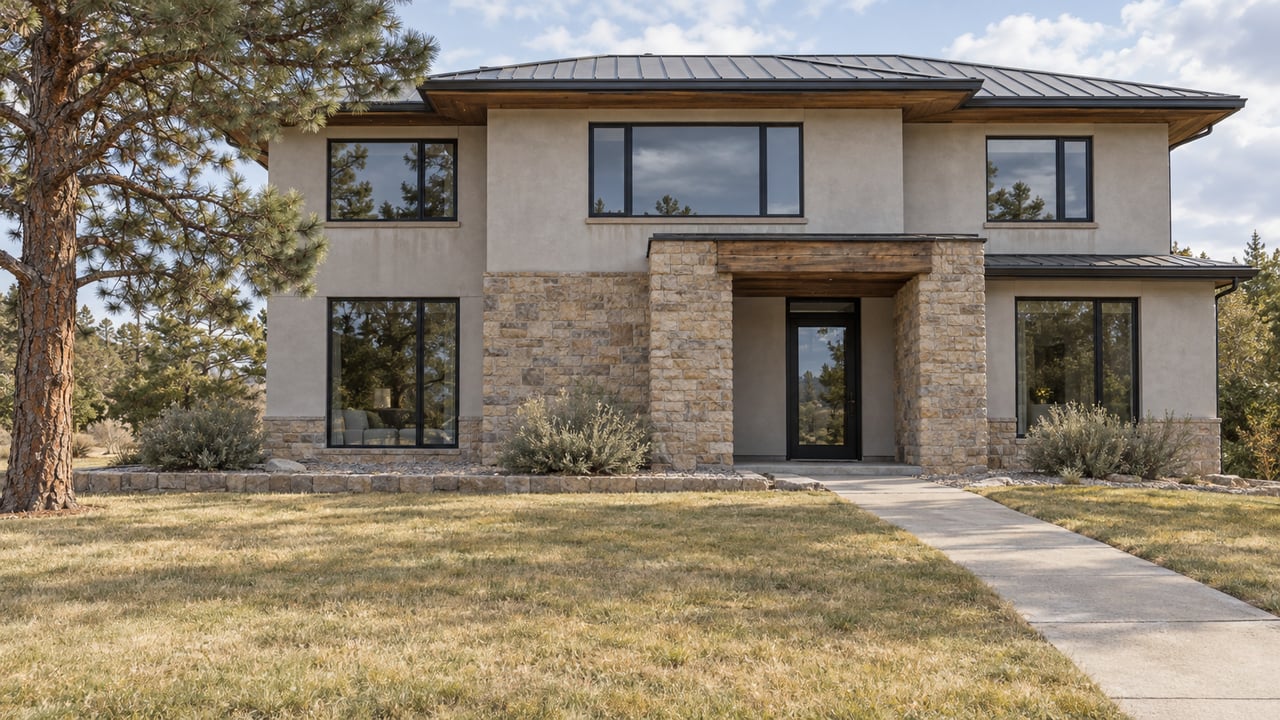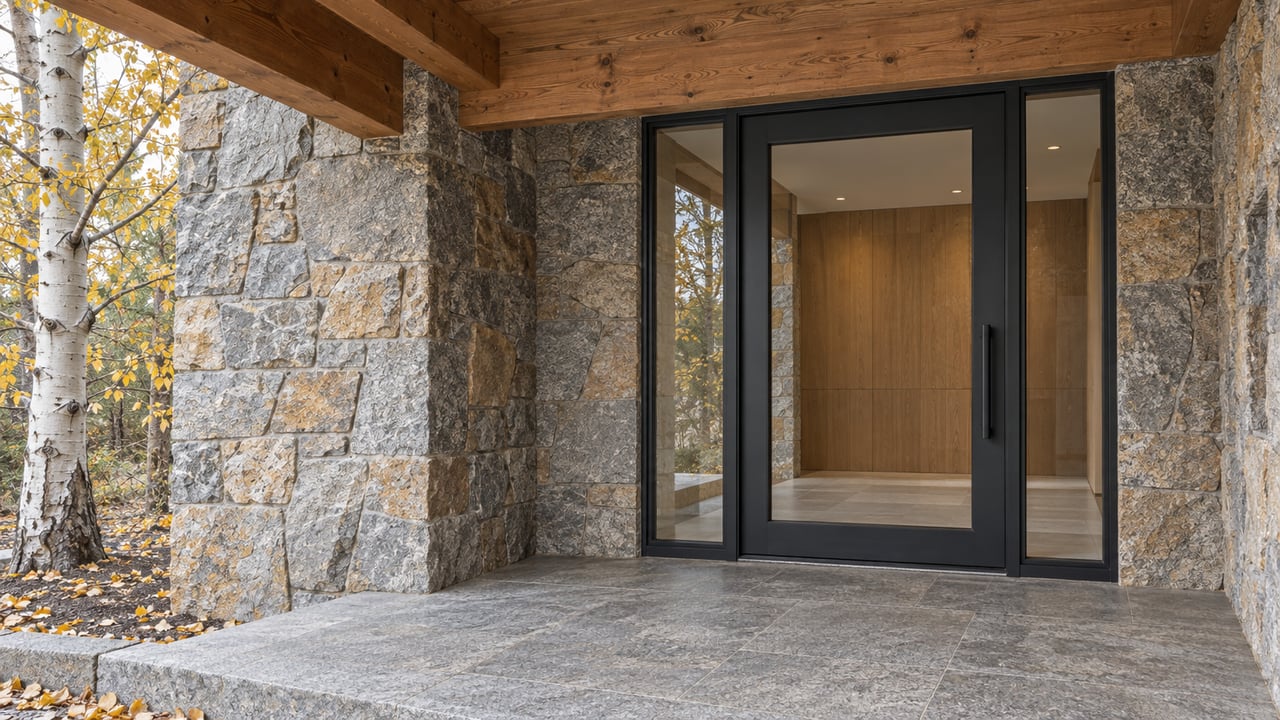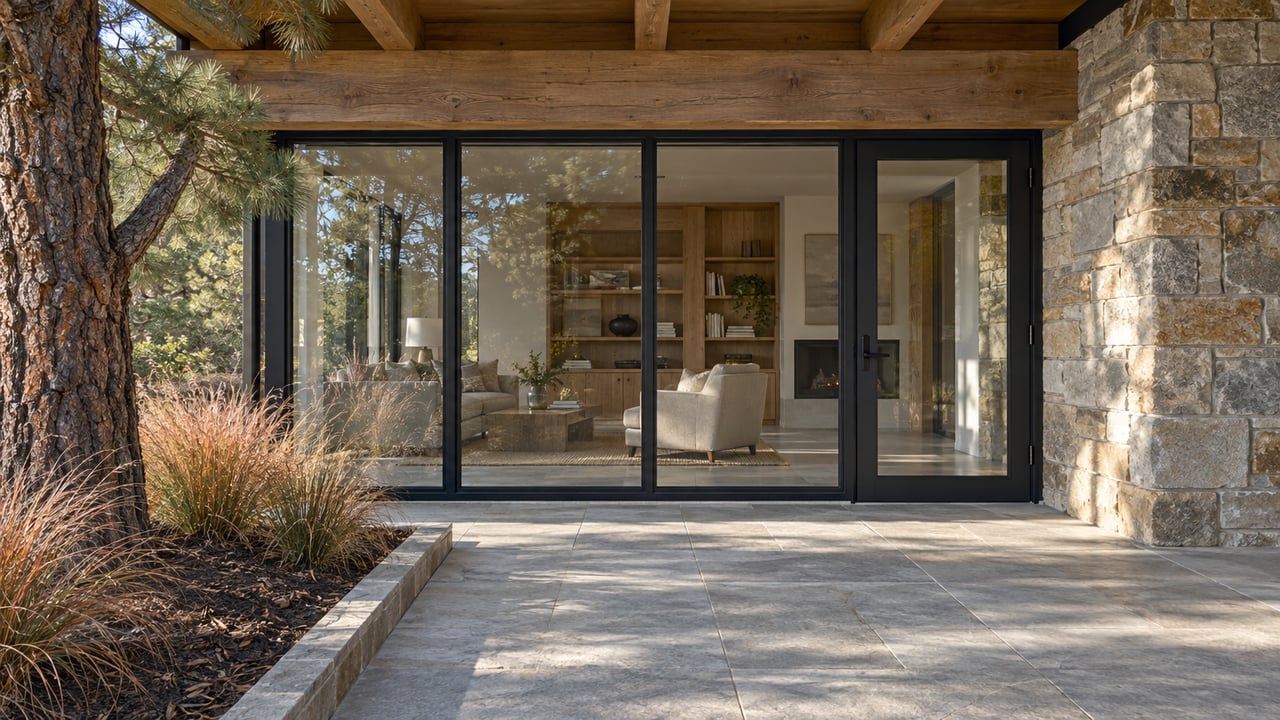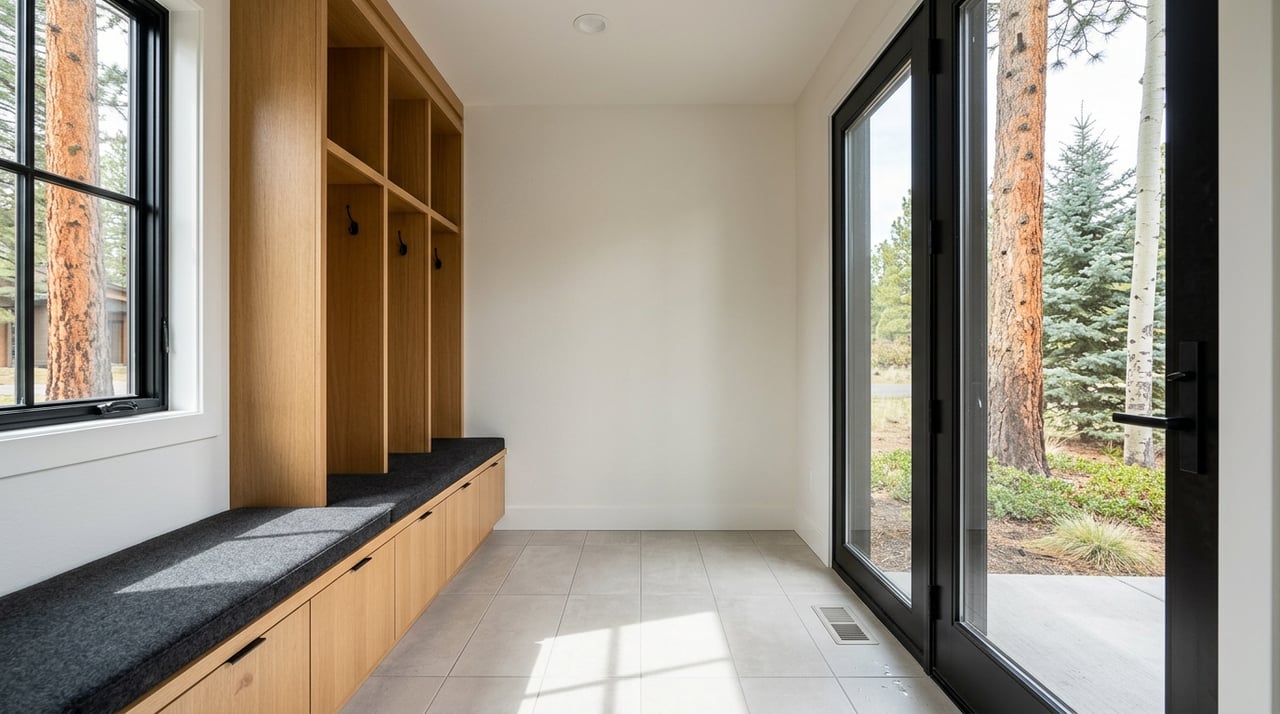
Torn between a pine-framed cabin and a low-maintenance suburban home in Woodland Park? You are not alone. Buyers in 80863 often weigh privacy and views against drive-time, utilities, and year-round costs. In this guide, you will get a clear side-by-side look at access, utilities, insurance, financing, and resale. You will also get a practical checklist to use before you write an offer. Let’s dive in.
Woodland Park snapshot
Woodland Park sits on the west side of Pikes Peak at high elevation. Winters bring frequent snow and spring runoff. That reality shapes daily life, from driveway access to roof loads and heating needs. Expect winter conditions to factor into your budget and your commute planning.
Home values across 80863 often sit in the low to mid 500Ks, with sales cycles that can run longer than many metro neighborhoods. Days on market and list-to-sold dynamics vary by property type and location. Cabins and more remote parcels often see a narrower buyer pool and different seasonality than city-served suburban homes.
US Highway 24 is the main corridor between Woodland Park and Colorado Springs. Depending on exact location and weather, many commutes run about 30 to 60 minutes to parts of the Springs. Homes farther off county or private roads add time. Always test your specific route and timing.
Road access and winter reliability
If you prefer predictable access after a snowstorm, homes inside city limits have a clear edge. Municipal and county plows service public streets on a schedule, which reduces the need for private snow removal. You can verify city service areas on the City’s utilities page and confirm whether a parcel is inside city limits.
Cabin properties may sit on county, unaccepted, or private roads. Private roads are not automatically plowed by the county. Many rely on owners, HOAs, or road associations for grading and plowing. Before you commit, confirm the road’s legal status and the maintenance agreement. The county’s resources page is a good starting point for contacts and road acceptance questions.
When you evaluate access, check these items:
- Public or private road status shown on the recorded plat and title.
- Surface type: paved, gravel, or dirt.
- Driveway grade and whether you will need high-clearance or 4WD.
- Winter service level: who plows, when they plow, and how much it costs.
For city service maps, see the City’s utilities information on municipal utilities. For road questions and county contacts, use the Teller County helpful resources.
Water and wastewater basics
Inside city limits, most homes connect to municipal water and sewer, which simplifies ownership and lending. You can confirm service availability and rules on City of Woodland Park utilities.
Outside city limits, you will commonly see a private well and an on-site wastewater treatment system, often called a septic or OWTS. Teller County Public Health & Environment issues OWTS permits and keeps records. As a buyer, request the OWTS permit, soil or perc tests, and any repair or pumping records. You can learn more and request files through Teller County Public Health & Environment.
For wells, ask for the driller’s log, current state well permit or registration, and a recent water-quality test. If the well is shared or off-site, there must be a recorded access and maintenance agreement. For agency contacts and local guidance, the SFIADivide Teller County contacts page can help you get to the right office.
Practical maintenance to budget:
- Septic pumping on a routine schedule, often every three to five years depending on usage and tank size.
- Well equipment service, including pressure-tank checks and water-quality testing.
- Documented inspections during due diligence so you know the real condition before closing.
Power, gas, and internet
Many Woodland Park addresses are served by CORE Electric Cooperative for electricity. Depending on neighborhood, natural gas may come from regional providers, while some areas rely on propane. Before you write an offer, verify provider options for the specific address using Teller County helpful resources.
Internet access varies by location. Many city neighborhoods have cable or fiber options. Cabins and remote parcels often depend on fixed wireless, satellite services like Starlink or Viasat, or 5G home internet. Address-level checks are essential for speed and latency, especially if you work from home. You can explore available ISPs for Woodland Park at Allconnect’s local internet page.
For remote living, plan a backup option such as a mobile hotspot or satellite if connectivity is mission-critical.
Maintenance and operating costs
A suburban home with city services often delivers more predictable monthly costs. You will budget for normal items like HVAC service, gutter and roof care, and basic snow shoveling. City snow plowing and municipal utilities reduce surprise expenses. Review city service rules and water policies on municipal utilities.
Cabins can be a different story. You may share private road grading and seasonal plowing costs with neighbors. Septic systems can require repairs or a full replacement over time. Wells need routine testing and occasional rehabilitation. Wood stoves and chimneys need regular cleaning. Wildfire defensible-space work may be a recurring project. For septic compliance and records, start with Teller County Public Health & Environment.
The key is to build a reserve for irregular costs and confirm actual conditions during due diligence. A pre-offer estimate of annual and long-range maintenance helps you compare homes apples-to-apples.
Wildfire and insurance
Woodland Park and many nearby neighborhoods sit in the Wildland Urban Interface. Wildfire risk can affect premiums and eligibility for coverage. You can reduce risk and often improve insurability by creating defensible space, hardening the home against embers, and maintaining access for fire apparatus. The Northeast Teller County Fire Protection District provides local mitigation and chipping programs at netellerfire.org.
Ask insurers for quotes early, and ask what upgrades could improve coverage terms. For home-hardening and defensible-space best practices, see the SFPE WUI homeowner handbook. Keep receipts and documentation of mitigation work. That paper trail can help with underwriting.
Permits, financing, and appraisal
Where you buy determines which code rules apply. Homes inside the City of Woodland Park follow city permitting. Homes in unincorporated areas follow Teller County rules. County permitting can require verification of legal access, septic compliance, and zoning. Review permit history and check for open violations. A helpful overview of county building requirements is available in the Teller County building code summary.
Financing is straightforward for most city-served homes. For cabins with private well and septic, lenders and appraisers often require inspections, water-quality tests, flow checks, or septic certifications. Build these items into your offer timeline and contingencies. You can preview common appraisal and underwriting expectations in this underwriting guidelines summary.
For either property type, order key inspections, get insurance quotes before you write, and verify utility availability at the address level.
Taxes and special districts
Teller County property taxes include multiple mill levies across county, schools, fire, library, ambulance, and city where applicable. The exact mix depends on address. Before you finalize an offer, pull the current mill levies and estimate taxes based on assessed value for that parcel. Start with the county’s Property Tax Information.
Which fits your goals
Both choices can be excellent. The better one aligns with how you live and what risk you want to carry.
- Choose a city-served suburban home if you want predictable utilities, easier winter access, simpler insurance, and a broader resale market.
- Choose a cabin if you value privacy, trail or forest proximity, and a mountain setting. Budget for irregular maintenance, possible higher insurance, and a narrower buyer pool on resale.
Buyer checklist before you write an offer
Use this quick list to cut surprises and protect your budget:
- Road access: Confirm public or private status on the plat and title. Ask who plows or grades, and review the recorded maintenance agreement. Start with Teller County helpful resources.
- City vs. unincorporated: Verify whether the address is inside Woodland Park city limits and on municipal water or sewer. See City utilities.
- Well documentation: Request the well driller’s log, the state permit or registration, and recent water-quality results. For contacts, use the SFIADivide Teller County contacts.
- Septic/OWTS: Order a transfer or pre-purchase septic inspection and pull the county OWTS file at Teller County Public Health & Environment.
- Insurance: Get preliminary quotes and ask about required mitigation. Check local programs at netellerfire.org.
- Lender requirements: Ask your lender if a private well or septic will trigger added inspections or repairs before closing. See common items in this underwriting guidance.
- Utilities and internet: Confirm electric and gas providers and check internet options at Allconnect’s Woodland Park page. Budget for propane or a generator if needed.
- Seasonal access test: Drive the route in winter conditions or talk to neighbors about practical passability. Document snow-removal plans and driveway constraints. County contacts are listed under Helpful Resources.
Ready to compare homes
If you want a data-driven plan that weighs access, utilities, insurance, and resale for your exact address list, reach out. You will get clear timelines, disciplined negotiation, and a single point of accountability from search to close. Contact Precision Spaces to build your precision market plan.
FAQs
What affects winter access for cabins near Woodland Park?
- Private roads, steep driveways, and limited plowing can restrict access, so confirm road status, maintenance agreements, and practical passability using county Helpful Resources.
How do septic inspections work in Teller County for a purchase?
- Buyers typically order a transfer or pre-purchase inspection and request the county OWTS file from Teller County Public Health & Environment.
Can you get high-speed internet at a remote 80863 cabin?
- It depends on address; many remote parcels use fixed wireless, satellite, or 5G home internet, so check options at Allconnect’s Woodland Park page.
How does wildfire risk impact homeowners insurance in 80863?
- Insurers may require mitigation, defensible space, or home-hardening; get quotes early and review local programs at netellerfire.org and best practices from the SFPE WUI handbook.
Which permits or records should you review before closing on a cabin?
- Verify legal access and building permits, pull septic files, and confirm utility providers; see a county overview in the Teller County building code summary.
How do property taxes vary across Teller County addresses?
- Mill levies differ by parcel and special districts, so estimate taxes for the specific home at the county’s Property Tax Information.