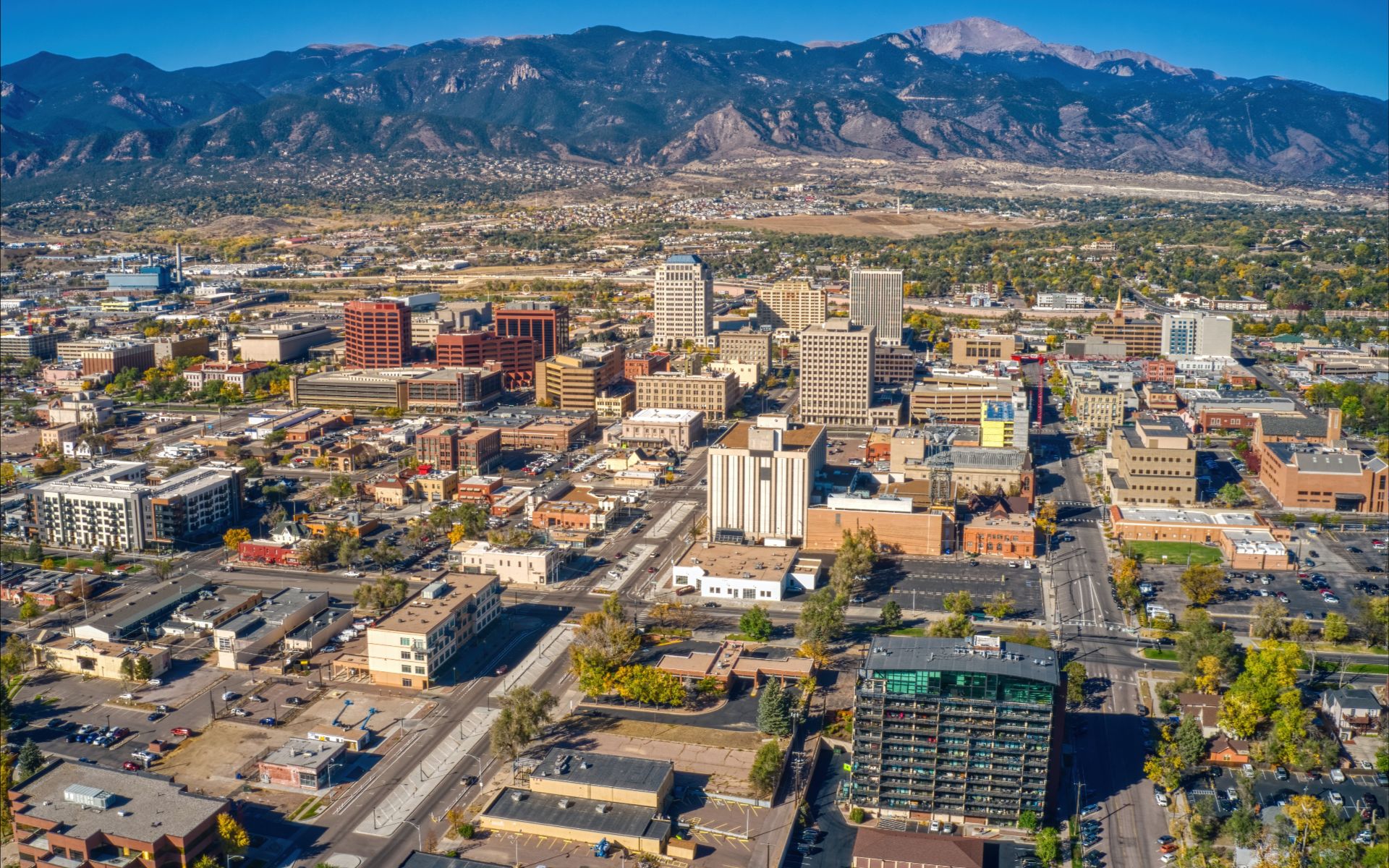
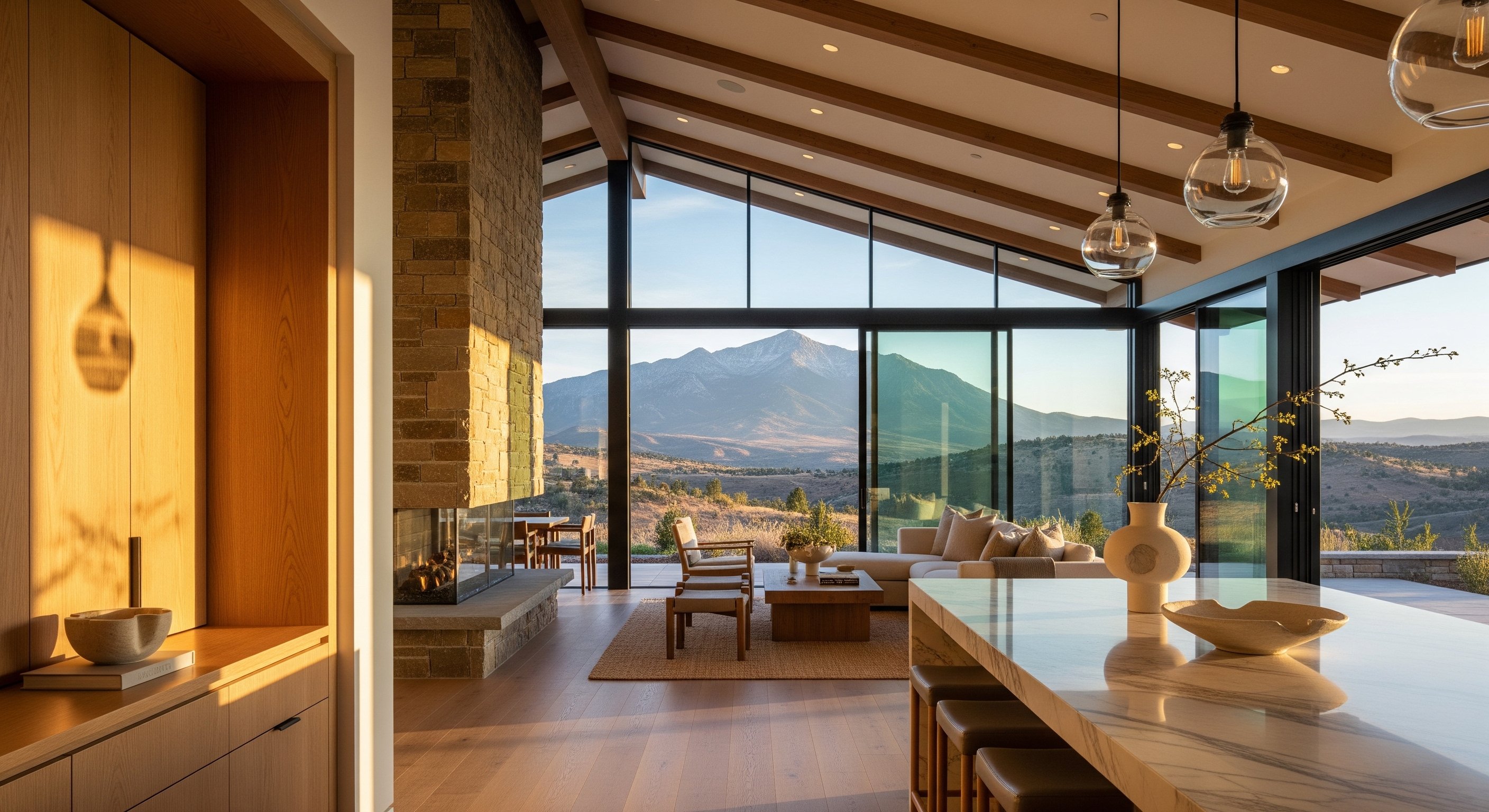
Colorado Springs sits at the base of Pikes Peak and is Colorado’s second-largest city. It combines a strong employment base with neighborhoods that range from historic districts to newer developments along the city’s north and east sides. Buyers are often drawn to the area for its quality of life, relatively accessible pricing compared to Denver, and the ability to choose between urban convenience and foothills living.
The city is spread out, and neighborhood selection matters. Commute times, elevation, school districts, and proximity to amenities vary significantly from one area to another. Most buyers compare neighborhoods carefully before narrowing their search.
Set against the dramatic backdrop of Pikes Peak, Colorado Springs offers a lifestyle that blends mountain beauty, refined neighborhoods, and year-round outdoor recreation. Known for its scenic setting, strong military presence, and growing economic base, the city appeals to full-time residents, relocation buyers, and second-home seekers looking for space, views, and access to both nature and everyday convenience.
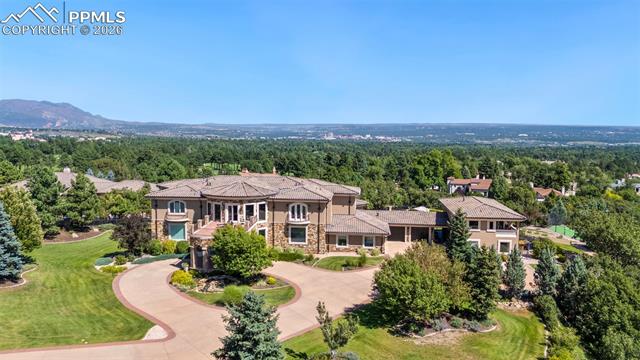
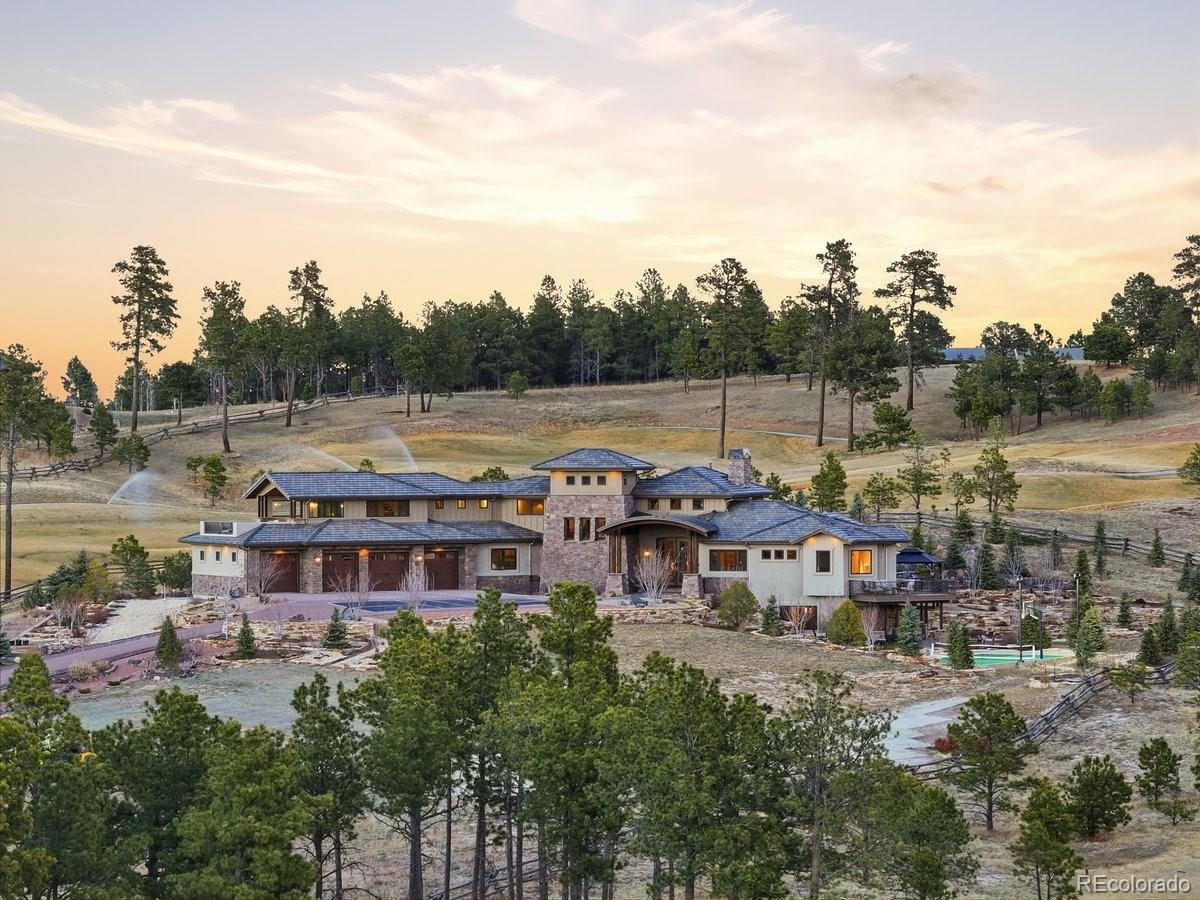
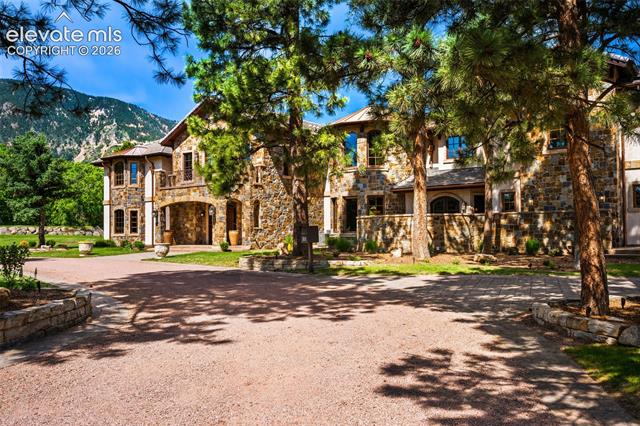
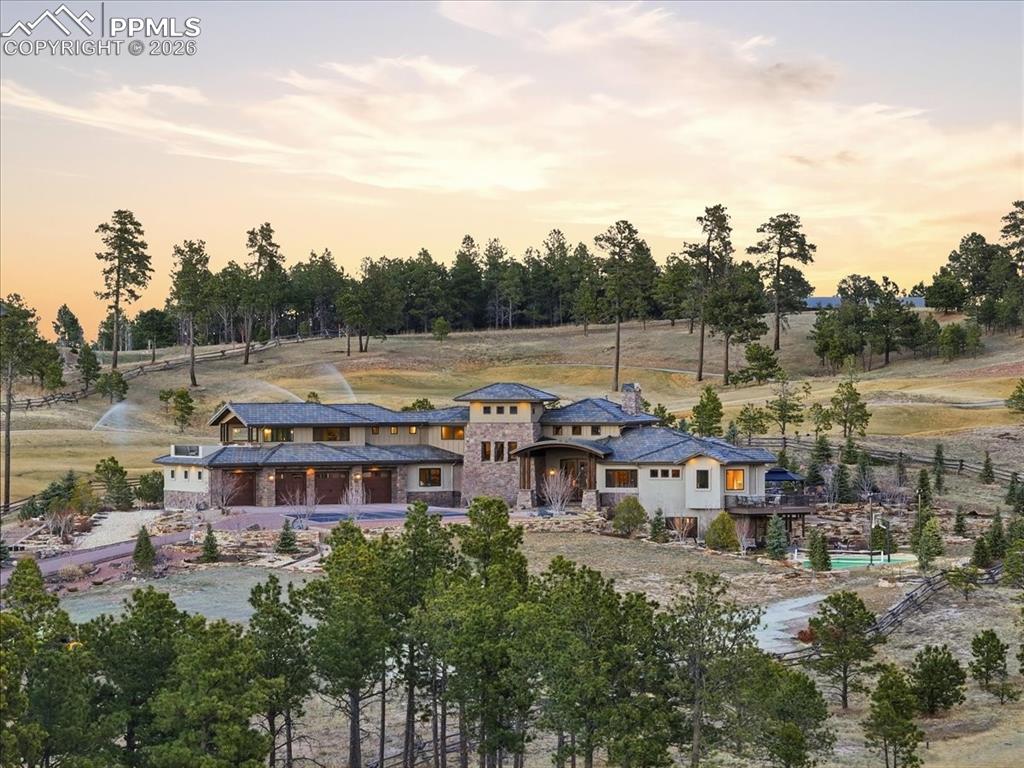
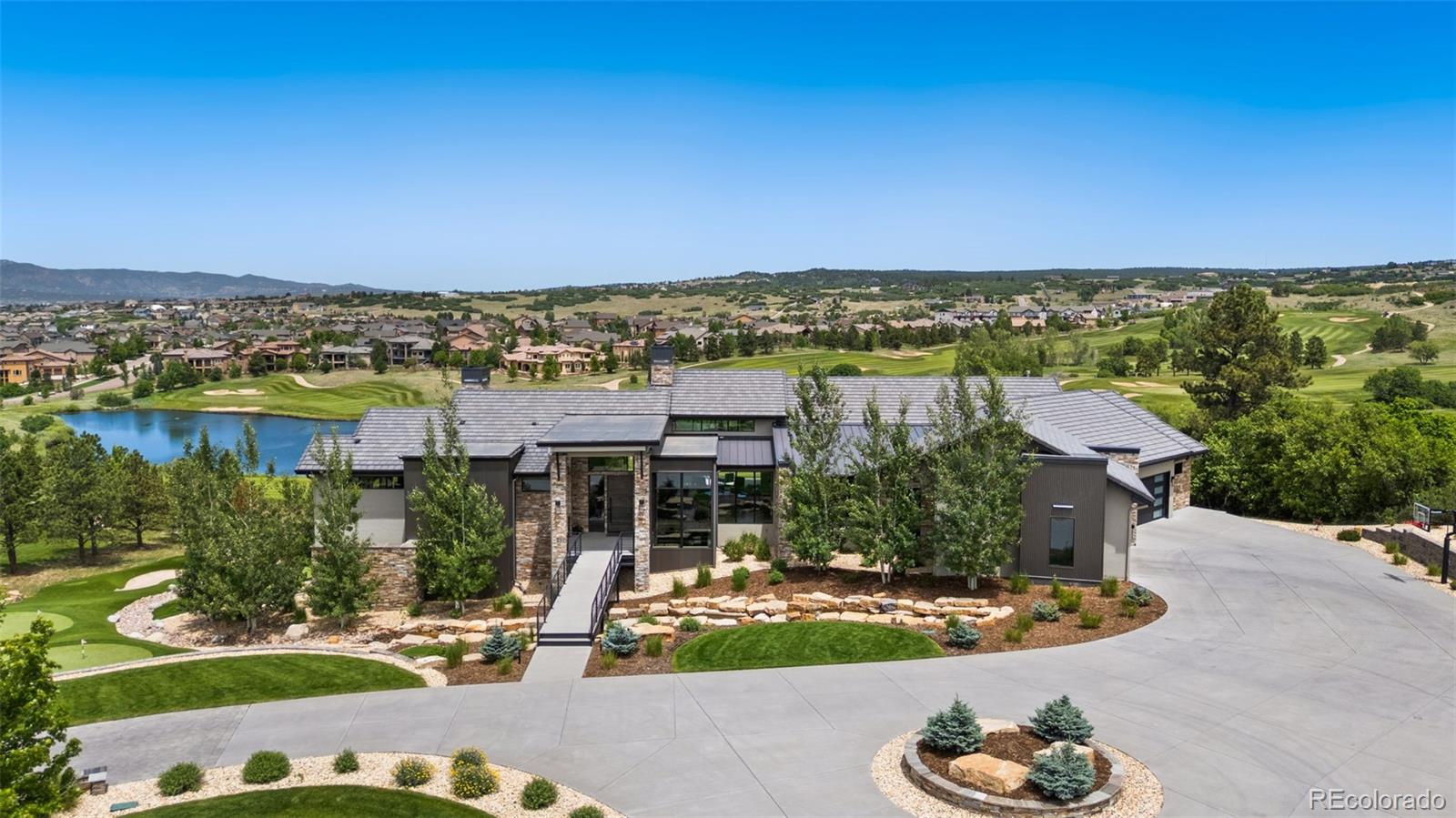
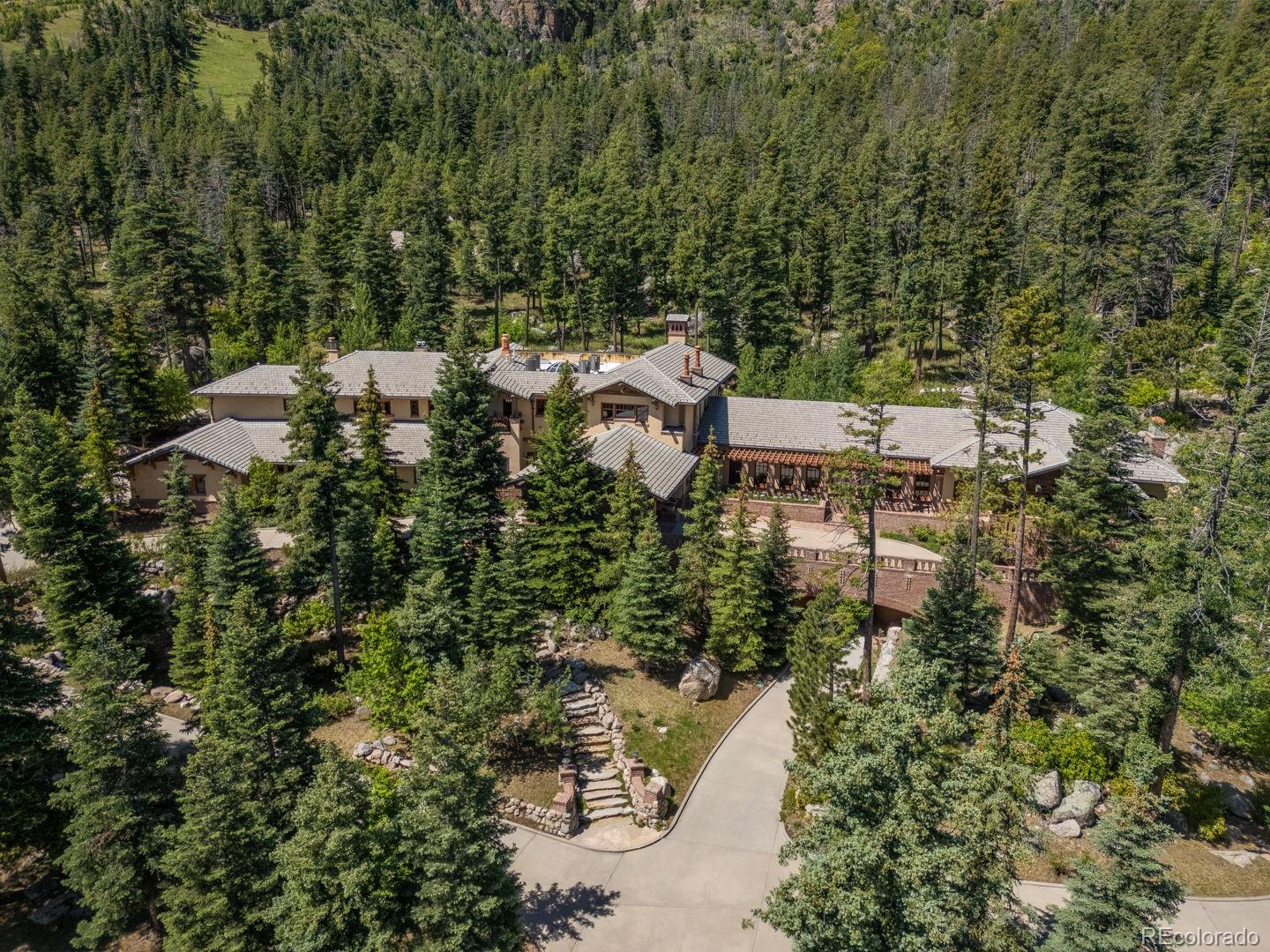
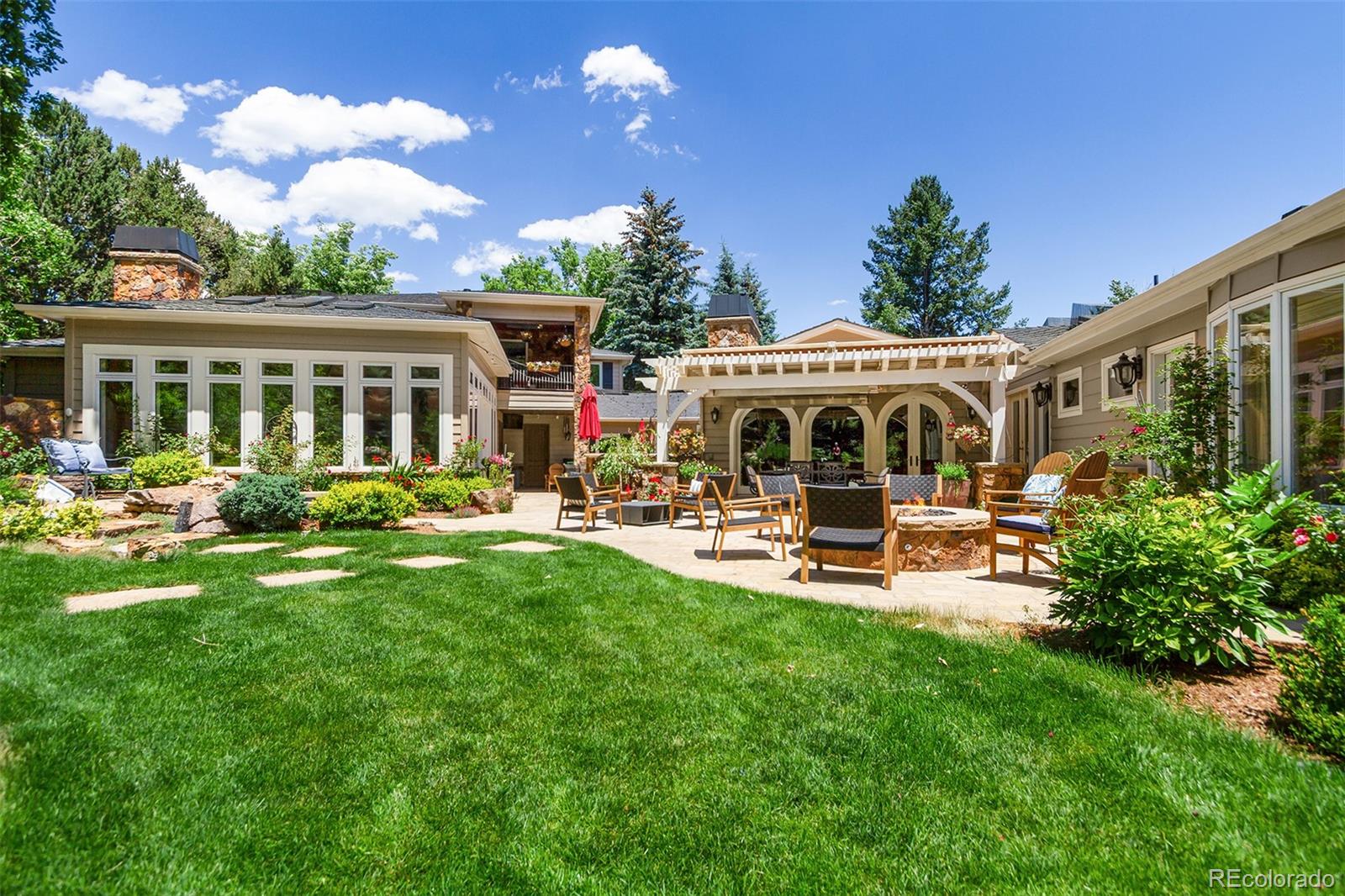
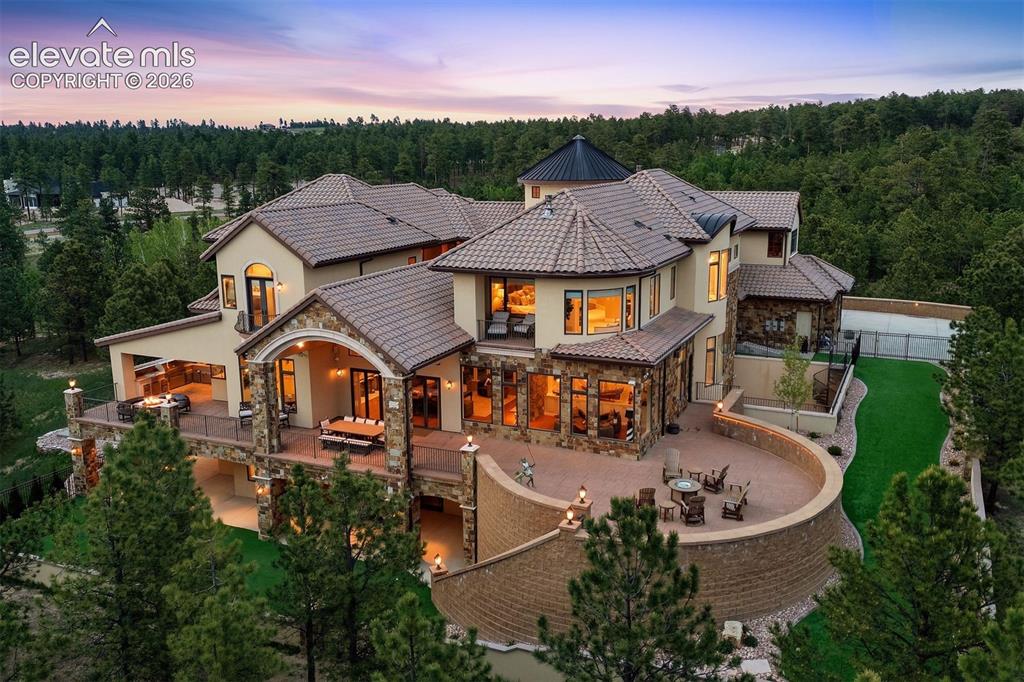
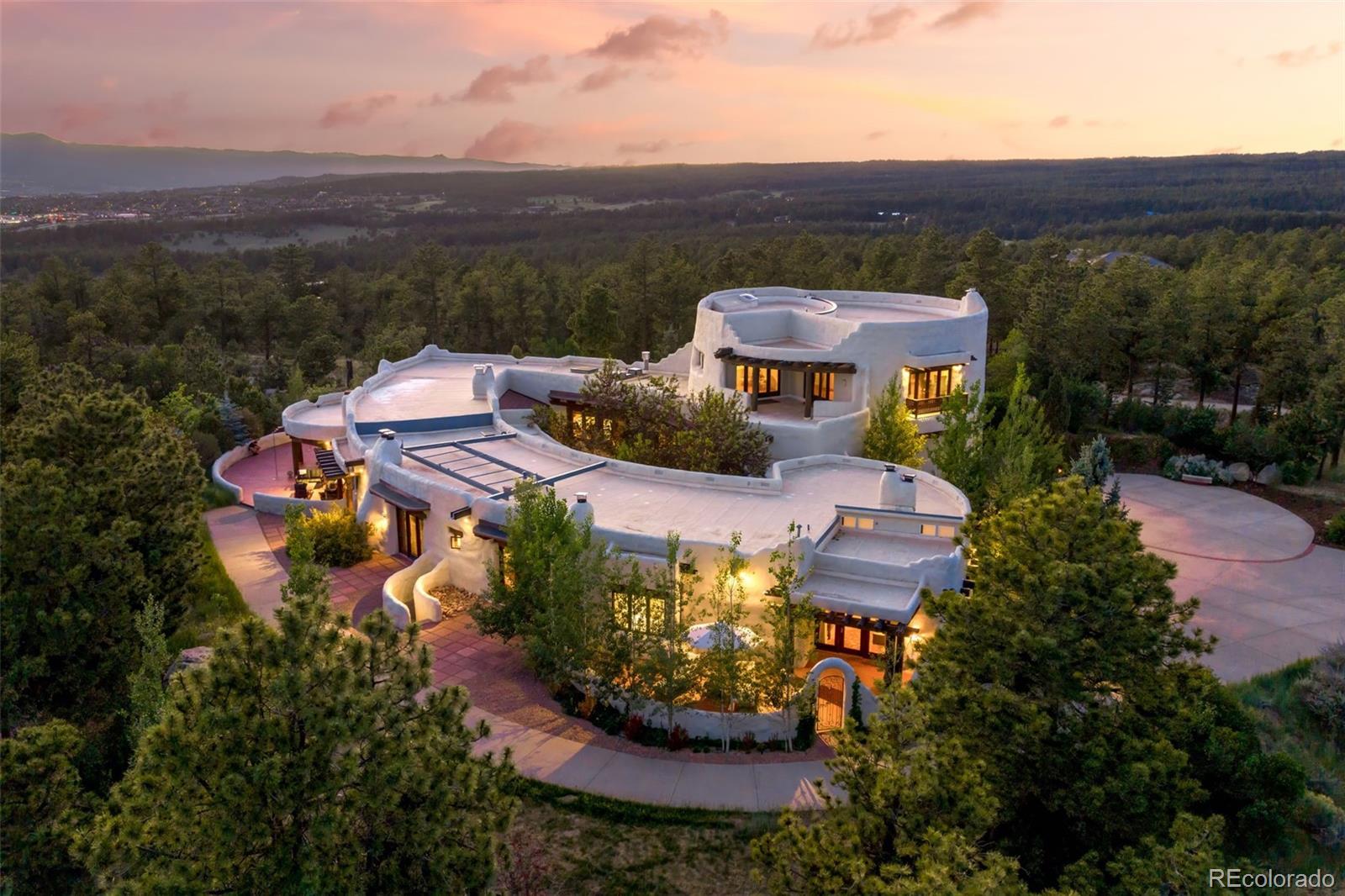
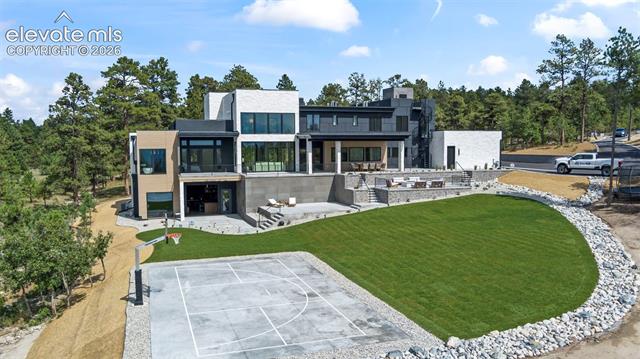
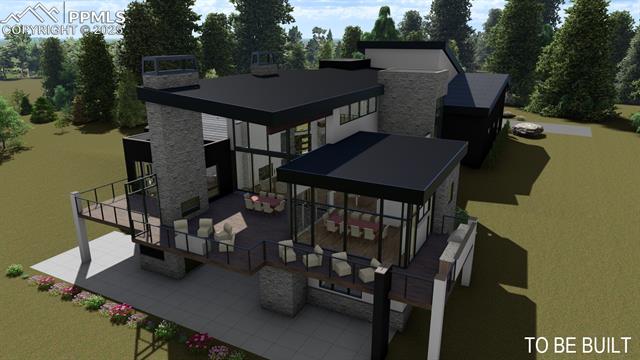
Located along Colorado’s Front Range about an hour south of Denver, Colorado Springs stretches across a broad footprint at the foot of the Rocky Mountains. Residents enjoy direct access to iconic destinations like Garden of the Gods, Pikes Peak, and North Cheyenne Cañon, along with established districts such as Downtown, Old Colorado City, and The Broadmoor area. Whether you are searching for a historic home, a golf community property, a modern new-build, or a luxury estate with mountain views, Colorado Springs offers a diverse real estate market with lasting appeal.
| Key Facts about Colorado Springs, CO | |
|---|---|
| Area | ~195.4 sq mi |
| County | El Paso County |
| Established | 1871 |
| Population (recent est.) | ~493,554 |
| Notable Neighborhoods & Districts | Downtown • Old Colorado City • Briargate • Broadmoor • Northgate • Rockrimmon |
| Signature Attractions | Garden of the Gods • Pikes Peak – America’s Mountain • The Broadmoor • U.S. Air Force Academy • Cheyenne Mountain Zoo • Red Rock Canyon Open Space |
| Main Roads | Interstate 25 • U.S. Highway 24 • Powers Boulevard • Academy Boulevard • Woodmen Road |
From established luxury enclaves to newer master-planned communities, Colorado Springs combines natural beauty, everyday livability, and strong long-term real estate appeal—making it one of Colorado’s most desirable places to call home.
Colorado Springs is located along Colorado’s Front Range, just south of Denver, and is defined by its proximity to the Rocky Mountains and iconic Pikes Peak. The city blends suburban convenience with immediate access to nature, with major districts such as Downtown, Briargate, Northgate, and The Broadmoor connected by a well-developed road network. Daily mobility is primarily car-based, though select areas offer walkability, cycling paths, and scenic outdoor routes.
For regional and long-distance travel, residents benefit from direct access to Interstate 25, Colorado Springs Airport, and Denver International Airport. Outdoor corridors, open spaces, and trail systems also support an active lifestyle, while ongoing infrastructure growth continues to improve connectivity across the city.
| Connectivity & Transportation — Colorado Springs, CO | |
|---|---|
| Location Map & City Overview | Front Range city at the base of Pikes Peak, spanning a wide geographic area with residential communities, commercial hubs, and natural open space. Primary corridors include Interstate 25 (north–south spine) and major east–west arterials such as Woodmen Road and Uintah Street. |
| Nearby Areas & Communities |
|
| Attractions & Points of Interest |
|
| Public Transport |
|
| Road Access & Main Highways |
|
| Typical Drive Times* |
*Subject to traffic and weather conditions
|
| Parking | Ample parking throughout most of the city, including public garages and street parking in Downtown. Suburban areas, shopping centers, and attractions typically provide on-site parking. |
| Walking & Cycling | Walkable zones in Downtown, Manitou Springs, and select mixed-use districts. Extensive trail networks, including urban paths and mountain trails, support cycling and outdoor recreation. |
| Taxi & Ride Apps | Uber and Lyft are widely available across the city. Local taxi services and private transportation options are also accessible. |
| Airport Access |
|
| Accessibility & EV | Many public spaces, attractions, and newer developments are ADA accessible. EV charging stations are increasingly available at shopping centers, hotels, and public parking areas throughout the city. |
Colorado Springs offers a balance of accessibility and natural beauty—efficient road networks, proximity to major cities, and immediate access to outdoor landscapes create a highly livable and well-connected environment.
Colorado Springs’ real estate market reflects a broad mix of single-family homes, newer suburban communities, townhomes, and select luxury enclaves. As of early 2026, the citywide median sale price is around $442K, with a median price per sq. ft. near $214. Homes typically spend about two to three months on the market, giving buyers more room to compare options than in faster-moving peak-cycle periods. Pricing varies across the city, with neighborhoods such as The Broadmoor, Cordera, and parts of Northgate commanding premium values, while central and eastern areas offer a wider range of entry points. The rental market remains active, supported by military demand, relocation activity, and continued population growth.
| Property Type | Median Price (USD) | Price per Sq.Ft (USD) | Average Rent (USD/month) | Rental Yield |
|---|---|---|---|---|
| 2BR Condo / Apartment | $315,000 (est.) | $214 | $1,575 | 6.0% (est.) |
| 2BR Townhome | $365,000 (est.) | $214 | $1,850 | 6.1% (est.) |
| 3BR Single-Family Home | $442,000 | $214 | $2,250 | 6.1% (est.) |
| 4BR Luxury / Move-Up Home | $775,000 (est.) | $214 | $3,200 | 5.0% (est.) |
Methodology & Notes: Citywide sale benchmarks use recent Colorado Springs market trackers showing a median sale price near $442K and median pricing around $214/sq.ft.. Rent assumptions are based on current city rental data and rounded segment estimates, with two-bedroom apartment pricing used as a baseline and adjusted upward for townhomes, detached homes, and luxury inventory. Yield estimates are gross estimates only and can vary based on neighborhood, HOA costs, taxes, insurance, condition, and vacancy.
Life in Colorado Springs pairs mountain scenery with everyday ease. Set at the base of Pikes Peak along Colorado’s Front Range, the city offers a mix of established neighborhoods, newer master-planned communities, walkable urban pockets, and access to remarkable outdoor recreation. Downtown, Old Colorado City, Briargate, Northgate, and The Broadmoor area each bring a distinct rhythm, while parks, open space, and scenic trails remain part of daily life across the city.
Front Range city at the foot of the Rocky Mountains, anchored by Pikes Peak and framed by red rock formations, foothills, and open space. Interstate 25 forms the main north–south spine, with easy access to Denver, Pueblo, and mountain corridors.
Active, family-oriented, and outdoors-driven. The city combines historic neighborhoods, golf and resort enclaves, military-connected communities, and newer suburban districts with a steady sense of growth and livability.
A growing food scene shaped by downtown restaurants, neighborhood cafés, breweries, and upscale dining around The Broadmoor. Residents enjoy everything from casual patios and coffee shops to chef-driven concepts and destination dining.
Served by multiple public school districts, including Colorado Springs School District 11 and Academy District 20, along with charter and private options. Higher education choices include UCCS, Colorado College, and Pikes Peak State College.
Housing ranges from historic homes near the urban core to golf community properties, newer subdivisions, lock-and-leave townhomes, and luxury estates with mountain views. Buyers can find both attainable neighborhoods and high-end lifestyle communities.
Primarily car-oriented, with major routes including Interstate 25, Academy Boulevard, Powers Boulevard, and Highway 24. Mountain Metro Transit serves key corridors, while Colorado Springs Airport and Denver International support regional and long-haul travel.
Four distinct seasons with sunny, dry conditions, warm summers, and generally manageable winters compared with higher mountain towns. Snow is part of life, but the city also benefits from many bright, clear days throughout the year.
Daily conveniences are spread across downtown and suburban retail hubs, with added lifestyle appeal from resorts, golf courses, wellness offerings, local shopping districts, cultural venues, and easy access to parks and trails.
A diverse and expanding city with a mix of long-time residents, military households, professionals, students, and relocation buyers. Healthcare, education, defense, tourism, and professional services all shape the local economy.
Mountain views, abundant parks and trails, strong lifestyle appeal, access to major employers and military installations, and a broad range of neighborhoods. The city balances outdoor adventure with practical day-to-day convenience.
Car dependence in many areas, periodic traffic growth along major corridors, weather swings, wildfire awareness in some foothill locations, and pricing pressure in top-performing neighborhoods.
Signature experiences include Garden of the Gods, Pikes Peak, Red Rock Canyon Open Space, North Cheyenne Cañon, urban commuter trails, hiking, cycling, golf, and year-round recreation shaped by the city’s exceptional natural setting.
Colorado Springs offers a lifestyle centered on scenery, space, and daily access to the outdoors—while still providing strong schools, growing dining districts, and the convenience of a major Front Range city.
Colorado Springs offers a well-rounded mix of amenities—from advanced healthcare and everyday retail to outdoor recreation, fitness, and lifestyle conveniences. Below are key highlights that support both daily living and long-term quality of life across the city.
Families in Colorado Springs are served by multiple public school districts, including Colorado Springs School District 11, Academy District 20, District 49, and Cheyenne Mountain School District 12, along with a wide range of private, charter, and faith-based options. The area offers strong choices across elementary, middle, and high school levels, with programs focused on academics, STEM, arts, and college preparation.
Many schools emphasize advanced coursework, AP programs, career pathways, and extracurricular activities including athletics and performing arts. As with any growing city, attendance boundaries and program availability may vary—confirm directly with each district or school when evaluating options.
| School / Preschool | Type | Location | Highlights |
|---|---|---|---|
| Chipeta Elementary School | Public (K–5) — D11 | Central Colorado Springs | Strong academics, arts integration, and community involvement. |
| Prairie Hills Elementary | Public (K–5) — D20 | Briargate | Highly rated with strong test scores, STEM focus, and family engagement. |
| Mountain View Elementary | Public (PK–5) — D49 | East Colorado Springs | Modern campus with strong early learning programs and student support. |
| Challenger Middle School | Public (6–8) — D20 | North Colorado Springs | STEM-focused curriculum, strong academic performance, and extracurriculars. |
| Cheyenne Mountain Junior High | Public (6–8) — D12 | Southwest Colorado Springs | Top-performing district with strong academics, arts, and athletics. |
| Pine Creek High School | Public (9–12) — D20 | Northgate | High academic rankings, AP courses, athletics, and college prep programs. |
| Cheyenne Mountain High School | Public (9–12) — D12 | Broadmoor Area | Consistently top-ranked; strong AP, arts, and athletic programs. |
| Air Academy High School | Public (9–12) — D20 | North Colorado Springs | Rigorous academics, STEM opportunities, and competitive extracurriculars. |
| The Classical Academy | Charter (K–12) | North Colorado Springs | College-prep charter with strong academics and classical curriculum. |
| Fountain Valley School | Private (9–12) | South Colorado Springs | Independent boarding/day school with rigorous academics and global focus. |
| St. Mary’s High School | Private (9–12) | Central Colorado Springs | Catholic college-prep with strong athletics and academic programs. |
| Primrose School of Colorado Springs | Private Preschool | Multiple Locations | Structured early education with balanced play and academic readiness. |
| Montessori Schools (citywide) | Private Preschool / K | Various Locations | Montessori-based learning with focus on independence and hands-on education. |
Districts: Colorado Springs D11, Academy D20, District 49, Cheyenne Mountain D12. Tip: School zoning, enrollment caps, and program availability may change—always verify boundaries, transportation, and admissions requirements directly with each school or district.
Colorado Springs has emerged as one of the most compelling real estate investment markets in the Mountain West, driven by steady population growth, a strong military and defense presence, and expanding healthcare and technology sectors. The city attracts a mix of first-time buyers, relocating professionals, and long-term investors seeking affordability relative to Denver while maintaining access to major economic hubs. Home values have shown consistent appreciation over the past decade, with moderate but stable growth projected in the 3% to 5% range annually through 2026.
Why Colorado Springs? The market offers a balanced entry point with a median home price around the mid-$400Ks, alongside premium segments in areas like The Broadmoor, Northgate, and Flying Horse exceeding $800K to $1.5M+. Demand is supported by major employers including Fort Carson, Peterson Space Force Base, UCHealth, and nearby Denver-based opportunities. Combined with strong rental demand, relatively low vacancy rates, and continued migration into Colorado, the city presents reliable long-term appreciation and income potential.
| Market Segment | Median Price | YOY Change | Days on Market |
|---|---|---|---|
| Colorado Springs Overall | ~$442K | +4–5% | ~60–80 days |
| Broadmoor Area | $900K–$1.5M+ | +5% | ~50 days |
| Briargate / Northgate | $550K–$850K | +4% | ~55 days |
| Condos / Townhomes | $300K–$400K | +3–4% | ~45 days |
The Colorado Springs market continues to show resilience with steady demand across multiple price points. Homes remain more affordable than nearby Denver, attracting both investors and relocating buyers. Rental properties perform well due to consistent demand from military personnel and local workforce housing needs, supporting reliable occupancy rates and income potential.
Key Investment Highlights:
Whether targeting entry-level rental properties, move-up homes, or luxury residences, Colorado Springs offers a stable and scalable investment landscape. With continued job growth, infrastructure expansion, and lifestyle appeal, the city is well-positioned for long-term real estate performance.
At the base of Pikes Peak, Colorado Springs offers a lifestyle that blends mountain beauty with everyday convenience. From the refined Broadmoor area to the walkable energy of Downtown and Old Colorado City, each part of the city has its own character while staying closely connected to parks, trails, and open space.
Housing options range from luxury estates and golf community homes to historic residences, modern townhomes, and newer construction in master-planned neighborhoods. Premiums typically rise with mountain views, larger lots, gated settings, and proximity to top-performing districts and lifestyle amenities.
Daily life in Colorado Springs centers on outdoor access, strong neighborhood infrastructure, and a growing mix of dining, retail, and wellness options. Residents enjoy hiking in Garden of the Gods, exploring North Cheyenne Cañon, golfing, cycling, and taking advantage of the city’s many sunny days. Convenient access to Interstate 25, Colorado Springs Airport, and Denver adds flexibility for both commuting and travel.
With its combination of scenic surroundings, livability, and long-term appeal, Colorado Springs remains one of Colorado’s most desirable places for full-time living, relocation buyers, and real estate investment.
Explore Colorado Springs Real Estate →Colorado Springs offers a balance of natural beauty, livability, and long-term value—making it an increasingly attractive place to live, invest, and grow.
613,448 people live in Colorado Springs, where the median age is 35.8 and the average individual income is $43,826. Data provided by the U.S. Census Bureau.
Total Population
Median Age
Population Density Population Density This is the number of people per square mile in a neighborhood.
Average individual Income
There's plenty to do around Colorado Springs, including shopping, dining, nightlife, parks, and more. Data provided by Walk Score and Yelp.
Explore popular things to do in the area, including Somjai Thai Cuisine, and Morning Glory Espresso.
| Name | Category | Distance | Reviews |
Ratings by
Yelp
|
|---|---|---|---|---|
| Dining | 4.59 miles | 52 reviews | 4.7/5 stars | |
| Dining · $ | 4.95 miles | 81 reviews | 4.5/5 stars | |
|
|
||||
|
|
||||
|
|
||||
|
|
||||
|
|
||||
|
|
Colorado Springs has 241,518 households, with an average household size of 73.57. Data provided by the U.S. Census Bureau. Here’s what the people living in Colorado Springs do for work — and how long it takes them to get there. Data provided by the U.S. Census Bureau. 613,448 people call Colorado Springs home. The population density is 2,905 and the largest age group is Data provided by the U.S. Census Bureau.
Total Population
Population Density Population Density This is the number of people per square mile in a neighborhood.
Median Age
Men vs Women
Population by Age Group
0-9 Years
10-17 Years
18-24 Years
25-64 Years
65-74 Years
75+ Years
Education Level
Total Households
Average Household Size
Average individual Income
Households with Children
With Children:
Without Children:
Marital Status
Blue vs White Collar Workers
Blue Collar:
White Collar: