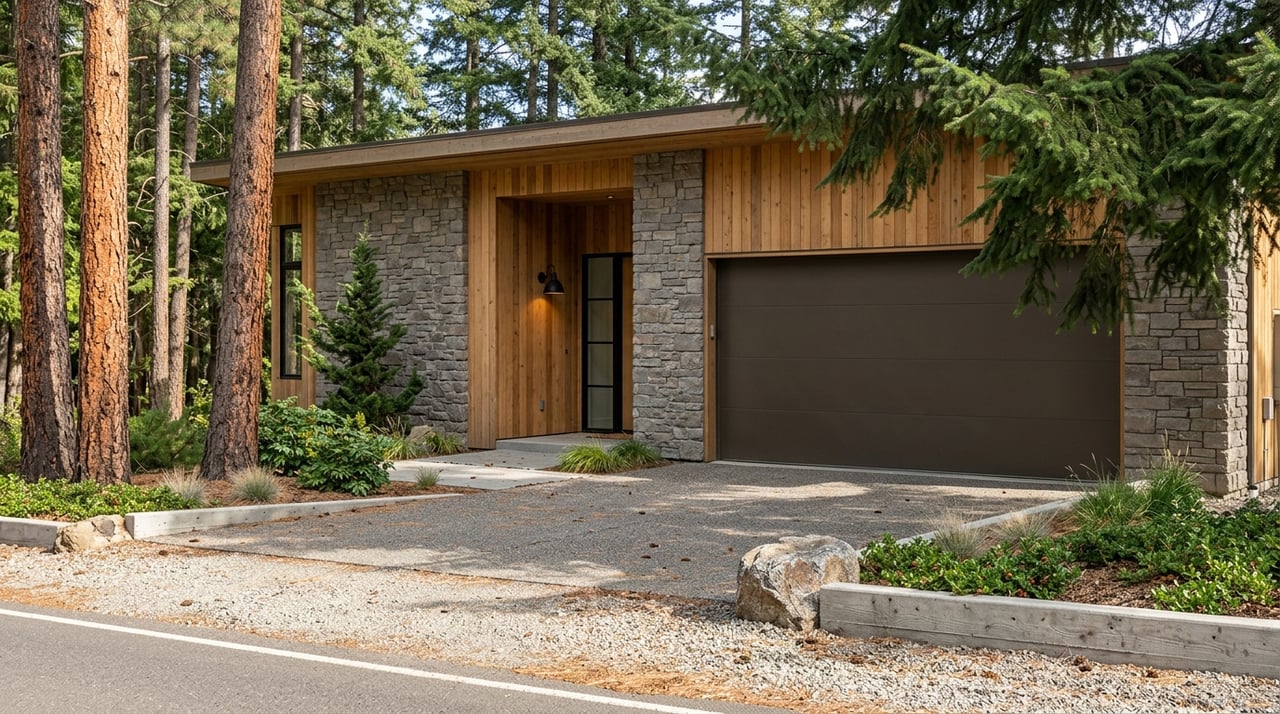
If you are drawn to Evergreen, you are probably looking for more than a house. You are looking for a mountain setting, everyday access to the outdoors, and a home that fits how you actually want to live. In Evergreen, those choices come with real tradeoffs around roads, utilities, lot conditions, and ownership logistics. This guide breaks down the Evergreen mountain lifestyle and the home options you are most likely to see in and around 80439 so you can evaluate the area with clear expectations. Let’s dive in.
Why Evergreen Feels Different
Evergreen functions more like a Front Range mountain community than a dense suburban town. Jefferson County identifies it as an unincorporated foothills community, and county historical material describes the broader area as a 120-square-mile unincorporated territory that included part of eastern Clear Creek County. According to Jefferson County, Evergreen sits within a wider unincorporated framework rather than a traditional city structure.
That matters when you picture daily life. Services, roads, and property conditions often depend on county systems or special districts instead of one town government. Evergreen is also about 30 miles from Downtown Denver and within commuting distance, which helps explain why many buyers see it as a mountain base with access to the broader Front Range, as noted by the Evergreen Area Chamber local guide.
Evergreen Lifestyle at a Glance
Living in Evergreen is shaped by elevation, access, and outdoor use. Colorado.com places the community at 7,040 feet, and that elevation affects weather, sun exposure, and seasonal driving conditions. The local experience is not just scenic. It is practical, too.
The Evergreen Area Chamber guide highlights some of the realities newcomers should expect, including altitude, stronger sun, changing weather, and the practical details tied to wells, septic systems, mail delivery, and emergency services. If you are considering a move here, it helps to think beyond views and focus on how a property functions year-round.
Trails and open space are part of daily life
Evergreen sits in Jefferson County Open Space’s Mountains Region, which includes Alderfer/Three Sisters Park, Elk Meadow Park, Flying J Ranch Park, and Meyer Ranch Park. According to Jeffco Open Space, Alderfer/Three Sisters is known for landmark rock formations, old ponderosa stands, and a high concentration of trails.
Elk Meadow also adds strong day-to-day recreation access. Jefferson County notes that the Pioneer Trail connection links Bergen Park to Evergreen Lake through Elk Meadow. Evergreen Lake itself adds a 40-acre lake, a 1.3-mile trail, and a year-round gathering space with rustic mountain character.
Mountain living includes mountain conditions
Evergreen ownership also means planning for wildlife and fire conditions. Jefferson County notes that residents may encounter bears, bobcats, mountain lions, and other wildlife through its wildlife resources. That is a normal part of foothills living, not an exception.
Fire planning also matters. Jefferson County publishes fire restrictions and bans for wildfire conditions, including Stage 1 restrictions and Red Flag rule changes when weather turns hot, dry, or windy. In practical terms, buyers should treat defensible space and seasonal risk planning as part of ownership, not as an afterthought.
Home Types You Will See in Evergreen
Evergreen does not offer one standard housing pattern. Its housing stock reflects the area’s history as a summer-resort landscape, along with later full-time residential growth. That gives buyers a wider mix of home types than they might expect in a more uniform suburban market.
Jefferson County historical material describes early summer homes ranging from large Rustic-style dwellings to small vernacular cabins, many of which were later altered or expanded. A fair takeaway from the local historical record is that Evergreen housing today is best understood as a mix of classic cabins, lodge-style mountain homes, ranch and acreage properties, and remodeled single-family homes rather than one repeatable subdivision model.
Classic cabins and older mountain homes
Some properties trace back to Evergreen’s earlier resort-era development pattern. These homes may offer strong character, wooded settings, and mountain style that feels tied to the area’s history. At the same time, age and original construction methods can affect updates, systems, and long-term maintenance planning.
For buyers, that means charm should be balanced with careful review of access, utilities, and any improvements made over time. If a cabin or older mountain home has been expanded or remodeled, the details behind those changes matter.
Lodge-style and rustic homes
Evergreen also has homes that lean into log, stone, and mountain-lodge design. Local references such as Hiwan Heritage Park and Evergreen Lake House reflect how durable that rustic design language remains in the community. These homes often align with what many buyers picture when they think of a Colorado mountain property.
The key is not to treat style as the whole story. A rustic exterior can sit on a lot with very different access, service, and maintenance demands than another home just a few miles away. In Evergreen, the property setup matters as much as the architecture.
Ranch homes and acreage properties
In the broader Evergreen area, lot sizes can vary significantly. Jefferson County historical reports reference large conservation parcels and 40-acre home sites, which helps explain why some properties feel compact and wooded while others offer much larger acreage. This uneven lot pattern is one reason home searches in Evergreen tend to be highly property-specific.
If you want more land, privacy, or distance between homes, you may find options that fit. You may also take on more complexity around driveway design, access, utilities, and land stewardship. Larger parcels can create flexibility, but they also call for more due diligence.
Remodeled single-family homes
Many Evergreen homes have evolved over time. Earlier cabins and mountain houses were often expanded or modernized, creating a segment of remodeled single-family homes that blend older footprints with newer finishes or systems. That can be appealing if you want mountain character without taking on a full renovation project.
Still, remodel quality and permitting history matter. In a mountain market, updates are not only about appearance. They can affect function, safety, and future costs.
Lot and Utility Questions to Ask
In Evergreen, property logistics can shape your ownership experience just as much as square footage. Terrain, water, wastewater service, and road access often vary from address to address. You should expect to verify those details early.
Jefferson County’s residential building checklist shows how much these factors matter. For new dwellings, the county requires proof of sanitation and water, and for properties using septic or well water, it calls for septic approval, a well permit, a recent well test, and driveway or private-road approvals in certain situations.
Public water and sewer versus well and septic
Some Evergreen homes are served by district utilities, but not all are. The Evergreen Metropolitan District states that it manages drinking water and wastewater for parts of the community, including areas north to I-70 through Bergen Park, Hiwan, the Ridge, Central Evergreen, and south to Brooke Forest Road.
That does not mean every address is on the same system. Some homes rely on wells and septic, and county public-health and permit materials make clear that testing and approvals can be required. If you are comparing properties, confirm utility service for each address instead of assuming one townwide setup.
Private roads and driveway access
Access can be more complex in mountain areas than in flatter suburban neighborhoods. Jefferson County’s checklist specifically calls for private-road or easement approvals for certain projects. That is a strong indicator that private access arrangements are a real part of the local ownership picture.
For buyers, this means you should understand who maintains the road, how access is documented, and whether a steep or engineered driveway changes winter use or future project costs. Access is not a minor detail in Evergreen. It is a core part of property function.
Slopes, terrain, and site conditions
Mountain terrain can influence everything from drainage to driveway design to expansion potential. A home site that looks ideal in summer may feel very different during snow season or heavy weather shifts. The lot itself can affect convenience, maintenance, and even the feasibility of future improvements.
This is where a process-driven review helps. Instead of focusing only on finishes and views, it makes sense to evaluate topography, access, utility type, and service history before you get too far into a decision.
Getting Around Evergreen
Transportation in Evergreen is anchored by a few key routes rather than a large urban street grid. Jefferson County identifies Evergreen Parkway as Colorado Highway 74 and also points to Interstate 70 and Highway 73 as major area connections. These roads tie the community to Denver, the foothills, and other Front Range destinations.
Road maintenance is also county-based. Jefferson County’s Road and Bridge District III serves Evergreen along with Indian Hills, Genesee, and Lookout Mountain. For homeowners, that reinforces the broader theme of Evergreen living: you are buying into a mountain community where infrastructure often works through county systems and service districts.
Who Evergreen May Fit Best
Evergreen can be a strong fit if you want a mountain setting with outdoor access and reasonable connection to Denver. It may also appeal to buyers who are comfortable evaluating homes one property at a time rather than expecting predictable subdivision standards. In this market, two homes with similar price points can differ sharply in utilities, access, lot usability, and ownership demands.
That is why clear due diligence matters. If you are buying in Evergreen, it helps to approach the process with a checklist mindset: confirm roads, utilities, service districts, wildfire considerations, and site conditions before you fall in love with the setting alone.
If you want a practical plan for evaluating mountain-property tradeoffs, Precision Spaces can help you build a clear search strategy, compare home options, and reduce avoidable risk with a more disciplined buying process.
FAQs
What is the lifestyle like in Evergreen, Colorado?
- Evergreen offers a mountain lifestyle shaped by elevation, trail access, wildlife, weather changes, and practical ownership factors like road access, utilities, and wildfire planning.
What kinds of homes are common in Evergreen 80439?
- Evergreen home options commonly include classic cabins, lodge-style mountain homes, ranch and acreage properties, and remodeled single-family homes rather than one uniform subdivision style.
Are Evergreen homes on public water and sewer?
- Some homes are served by the Evergreen Metropolitan District, while others rely on wells and septic systems, so utility service should be confirmed for each property.
Do private roads matter when buying a home in Evergreen?
- Yes. Jefferson County permitting materials show that private-road and easement approvals can matter for certain projects, which makes access an important part of due diligence.
Is wildfire planning part of owning a home in Evergreen?
- Yes. Jefferson County applies wildfire restrictions, defensible-space guidance, and Red Flag rule changes, so fire planning is a normal part of ownership in the area.
How far is Evergreen from Denver?
- The Evergreen Area Chamber describes Evergreen as about 30 miles from Downtown Denver and within commuting distance.